
Hantavirus & Rodents in the News: The Crucial Steps to Cleaning Up Safely
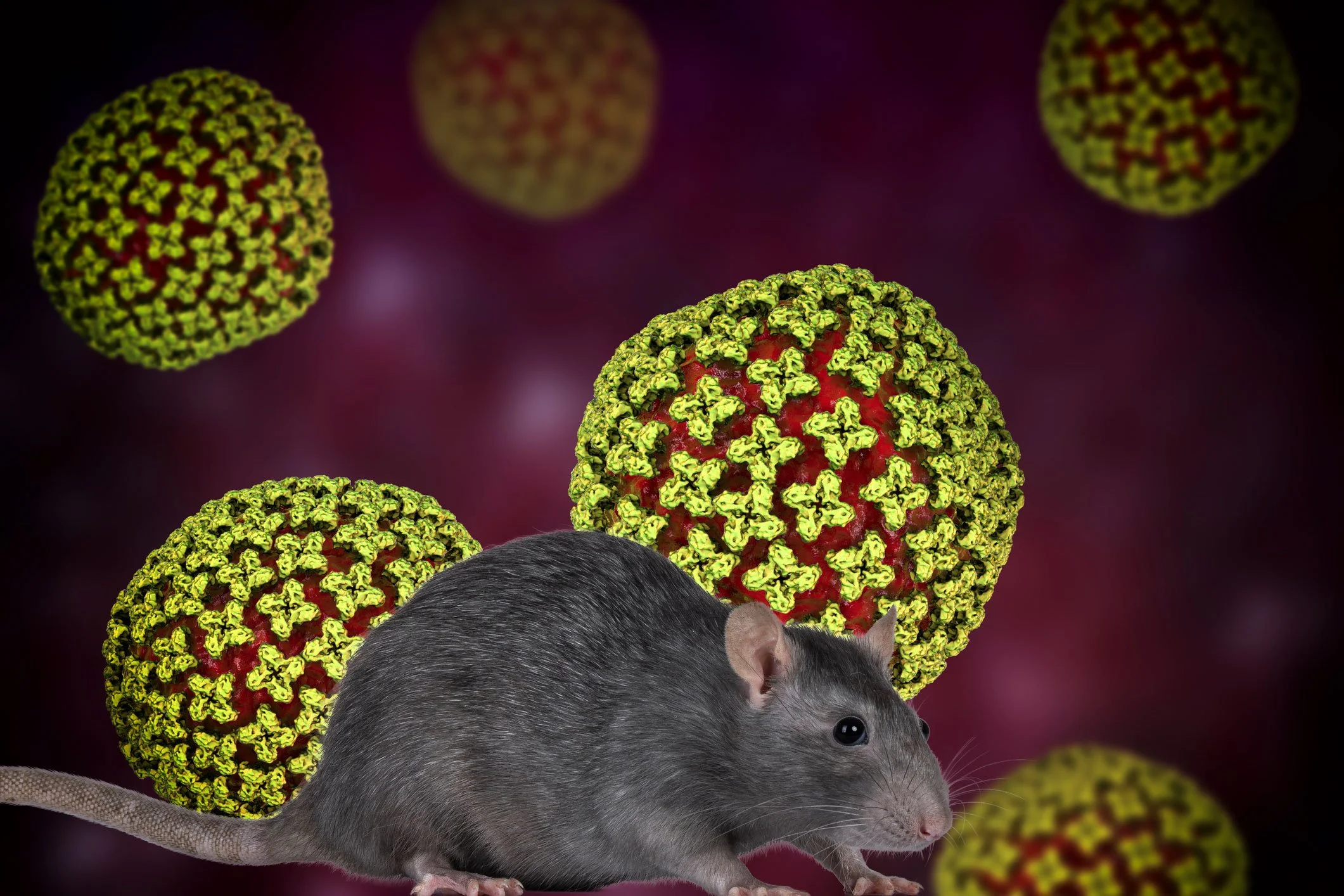
If you’ve been following the news lately, you might have seen headlines regarding a recent Hantavirus outbreak on a South American cruise ship.
The World Health Organization (WHO) confirmed multiple cases and tragic fatalities linked to the rare virus. Closer to home, a cluster of fatal cases in California also made national waves.
While these specific outbreaks happened far away, they serve as a powerful reminder of a universal truth: rodents are a serious health hazard. As the spring weather warms up across New York and New Jersey, mice and rats are becoming highly active. If you are cleaning out your garage, basement, crawlspace, or attic this month and discover signs of a rodent infestation, you need to be incredibly careful.
Here is what you need to know about Hantavirus risks and how to protect your family during spring cleanup.

What is Hantavirus?
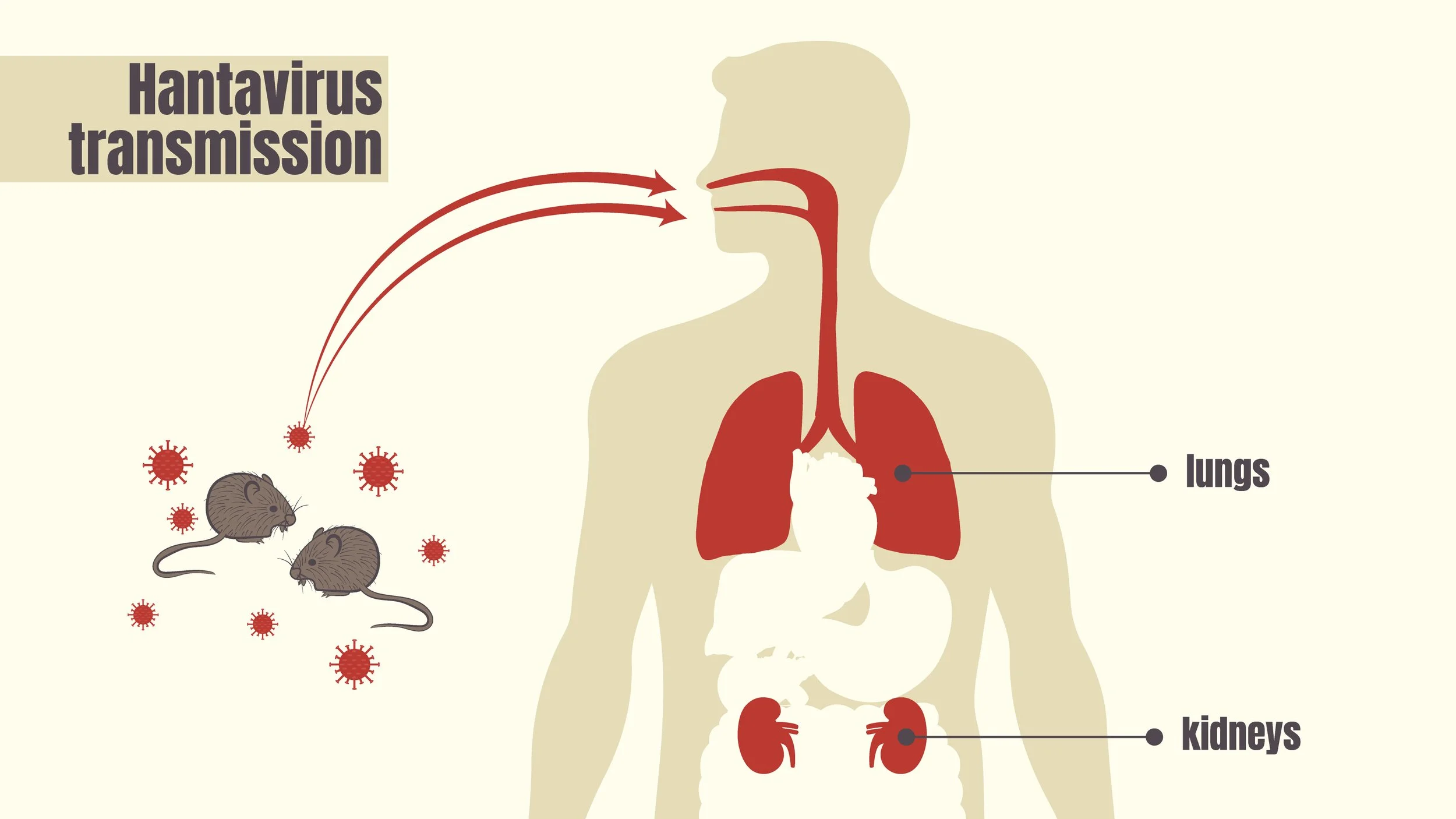
Hantaviruses are a group of viruses carried primarily by rodents. According to the WHO, humans can contract the virus through direct contact with infected rodent urine, droppings, or saliva.
However, the most common way people get sick is much more insidious: breathing in contaminated air. When rodent waste is disturbed, microscopic virus particles can become airborne. If you inhale these invisible particles, you are at risk for severe respiratory illness.
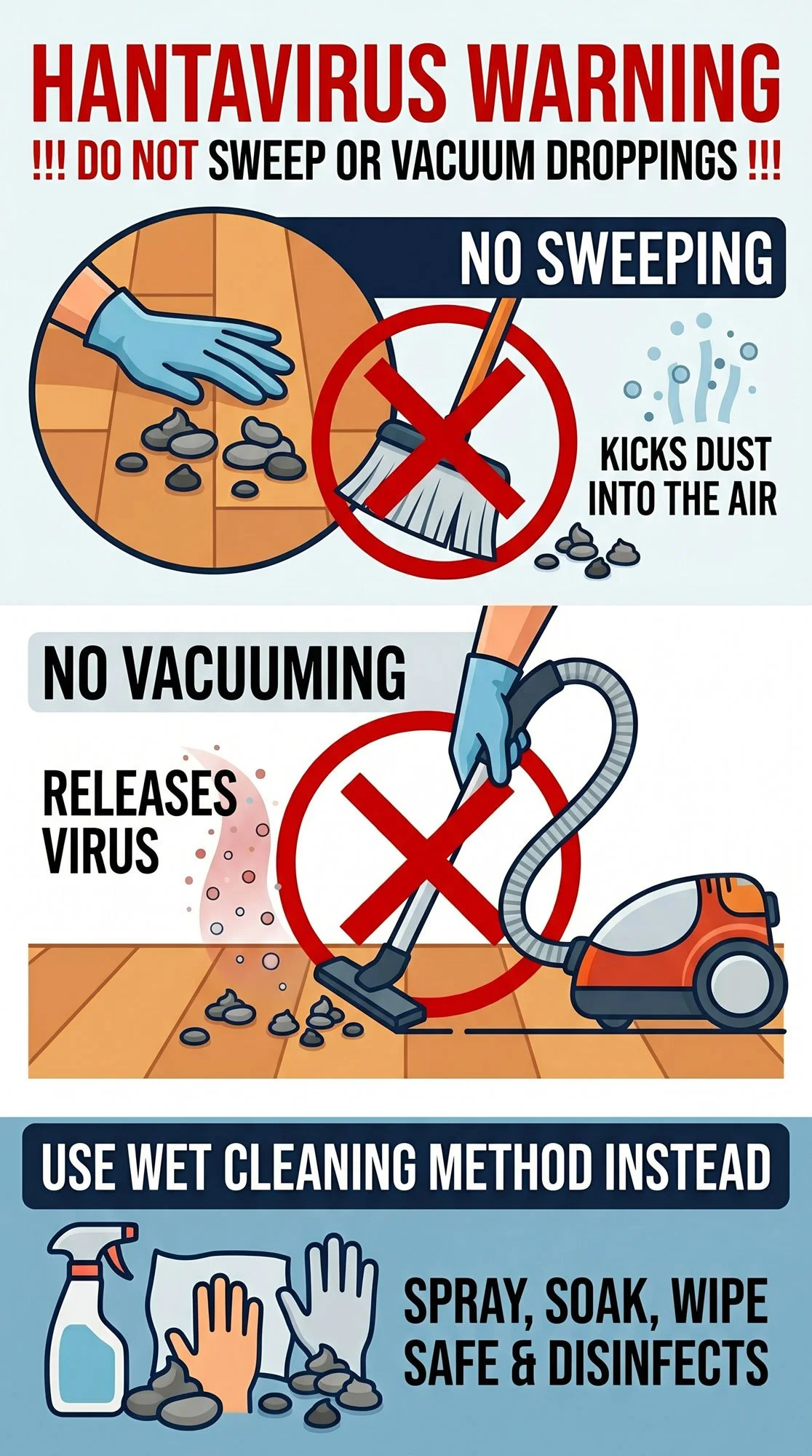
The Golden Rule: Never Sweep or Vacuum Rodent Droppings
When most homeowners see a pile of mouse droppings in a cabinet or corner, their first instinct is to grab a broom or a vacuum cleaner.
Do not do this. Sweeping and vacuuming kick the dry, lightweight virus particles directly up into the air, creating a hazardous mist right in your breathing zone. To keep yourself and your family safe, you must use a "wet cleaning" method.
How to Safely Clean Up After Rodents (CDC Guidelines)
If you encounter a minor area with rodent activity, the Centers for Disease Control and Prevention (CDC) recommends taking these precise precautions to minimize your risk of getting sick:
Gear Up First: Put on heavy-duty rubber or plastic gloves before touching anything.
Soak, Don’t Stir: Spray the urine, droppings, or nesting materials with a commercial disinfectant or a DIY bleach solution (1 part bleach to 9 parts water). Spray until the area is completely wet. Let it soak for 5 minutes to kill the virus before you touch it.
Wipe, Don’t Sweep: Use paper towels to carefully wipe up the wet droppings and disinfectant.
Dispose Properly: Throw the dirty paper towels into a covered garbage can that will be emptied promptly.
Sanitize the Surroundings: Once the physical droppings are gone, mop or sponge the entire surrounding area (floors, countertops, cabinets, drawers) with disinfectant.
Double-Wash Your Hands: Before you even take your gloves off, wash your gloved hands with soap and water. Then, remove the gloves, throw them away, and wash your bare hands thoroughly with soap and warm water.
Pests of the Month
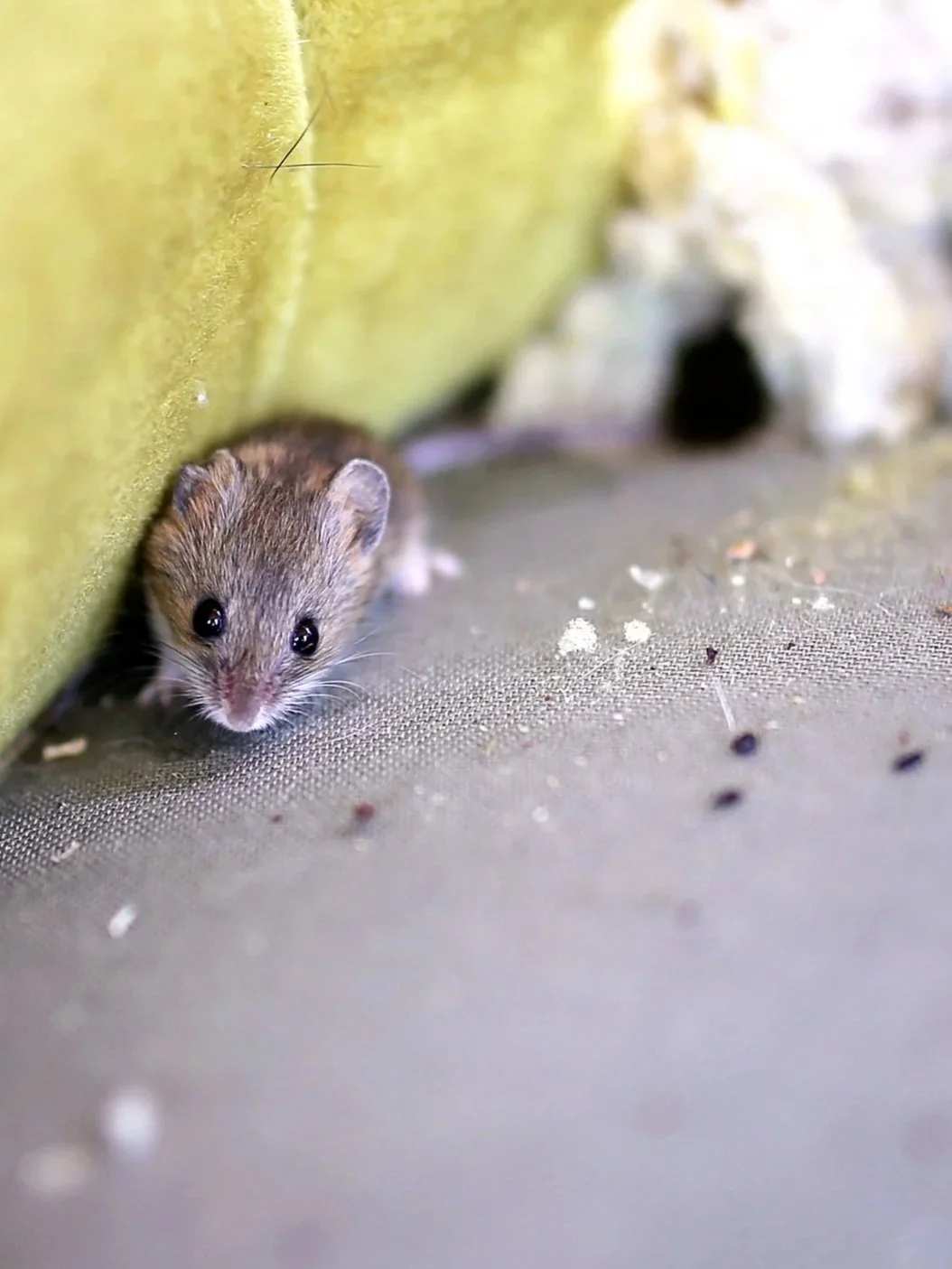
As we head into May, the spotlight turns to a small pest carrying a massive health risk: the common field mouse. While these tiny intruders look relatively harmless, a single mouse can produce up to 50 to 75 droppings a day, scattering them along baseboards, inside kitchen pantries, and deep within crawlspaces.
During spring cleaning, finding these dark, rice-shaped pellets is incredibly common in NY/NJ homes. However, because these droppings quickly dry out and crumble, they become the primary source for airborne contaminants like Hantavirus. This May, treat any signs of mouse activity not just as a nuisance, but as a direct threat to your home’s air quality and safety.
When to Call the Professionals at Hollenbeck
While a few stray droppings in a kitchen drawer can be managed with the steps above, a larger infestation is an entirely different story.
If you are dealing with heavily infested attics, crawlspaces, drop ceilings, or walls, cleaning it yourself is simply not worth the risk. Large amounts of nesting material require heavy-duty personal protective equipment (PPE), including specialized respirators, to ensure safety. Furthermore, simply cleaning up the mess doesn’t stop the problem. If mice are still getting inside your home, the health risks will return tomorrow.
At Hollenbeck Pest Control, we don’t just get rid of the rodents—we handle the exclusion work to seal them out for good, ensuring your home remains a safe, healthy environment for your family.
Have you spotted signs of mice or rats during your spring cleaning? Don’t risk your health. Contact Hollenbeck Pest Control today for a professional inspection and safe, reliable rodent management.
Hantavirus & Rodent Clean Up FAQ: Frequently Asked Questions
FAQ: Hantavirus & Rodent Clean Up Health Risks and Safety
Q: What is Hantavirus and how does it spread to humans?
A: Hantaviruses are a group of viruses carried primarily by rodents that can cause severe respiratory illness in humans. People can contract the virus through direct contact with infected rodent urine, droppings, or saliva, but the most common way is by breathing in contaminated air when dried rodent waste is disturbed and microscopic virus particles become airborne.
Q: Why is it dangerous to sweep or vacuum mouse or rat droppings?
A: Sweeping and vacuuming kick dry, lightweight virus particles directly up into the air, creating a hazardous mist right in your breathing zone. This significantly increases your risk of inhaling the virus, which is why a wet cleaning method must always be used instead.
FAQ: Rodent Clean Up CDC Cleaning Guidelines
Q: What type of mixture should I use to safely soak rodent droppings before removing them?
A: You should use a commercial disinfectant or a homemade bleach solution consisting of 1 part bleach to 9 parts water. The Centers for Disease Control and Prevention (CDC) recommends spraying the area until it is completely wet and letting it soak for 5 minutes to kill the virus before you touch it.
Q: What are the correct steps for cleaning up after rodents according to CDC guidelines?
A: First, put on heavy-duty rubber or plastic gloves. Next, spray the droppings or nesting materials with disinfectant and let it soak for 5 minutes. Wipe up the area with paper towels, dispose of them in a covered garbage can, sanitize the surrounding floors or countertops, and then wash your gloved hands with soap and water before removing the gloves and washing your bare hands thoroughly.
Q: Why is the field mouse highlighted as the Pest of the Month for May in NY/NJ homes?
A: The field mouse is highlighted because a single mouse can produce up to 50 to 75 droppings a day, scattering them in hidden areas during the active spring season. As these rice-shaped pellets quickly dry out and crumble, they become a major source of airborne contaminants like Hantavirus during spring cleaning.
FAQ: Rodent Clean Up Professional Services
Q: When should a homeowner call the professional team at Hollenbeck Pest Control instead of DIY cleaning?
A: You should call the professionals if you are dealing with heavily infested attics, crawlspaces, drop ceilings, or walls. These large-scale infestations require heavy-duty personal protective equipment (PPE), including specialized respirators, to ensure safety, plus professional exclusion work to keep the pests from returning.
Q: What services does Hollenbeck Pest Control provide to ensure rodents do not get back inside my home?
A: Hollenbeck Pest Control handles professional exclusion work to seal the rodents out for good. Simply cleaning up the mess does not stop the problem, so sealing the entry points ensures your home remains a safe, healthy environment for your family over the long term.
Q: What safety, technology, or performance features make the 2026 Hollenbeck Pest Control Rodent Clean Up stand out?
A: Our professional rodent management service stands out due to the use of heavy-duty personal protective equipment (PPE), specialized respirators, and complete exclusion workflows. This advanced approach ensures that dangerous airborne virus particles are contained and entry points are sealed permanently, which a standard household vacuum or broom cannot achieve.
Q: Do you offer service or maintenance for Rodent Clean Up models around the New York and New Jersey area?
A: Yes, Hollenbeck Pest Control offers comprehensive rodent management, clean-up, and ongoing preventative exclusion services throughout the local region. Our team is fully equipped to handle homes and businesses facing active mouse or rat infestations across New York and New Jersey.
Q: Can I schedule Hollenbeck Pest Control vehicle service online?
A: Yes, you can conveniently schedule an initial inspection or a professional service appointment through the Hollenbeck Pest Control online platform. Simply visit our website, select your required service options, and pick a time slot that fits your schedule.
Q: Are your service technicians certified for Hollenbeck Pest Control vehicles?
A: Yes, all of our service technicians are fully certified, licensed, and intensively trained in handling dangerous biological waste and advanced rodent exclusion techniques. They follow strict CDC guidelines and safety protocols to ensure your home is remediated without risking your family's health.
FAQ: Rodent Clean Up Scheduling and Reservations
Q: Can I schedule Rodent Clean Up with Hollenbeck Pest Control?
A: Yes, you can easily reserve your upcoming seasonal service or preorder advanced pest prevention packages directly through our team. Securing your appointment ahead of time ensures priority scheduling during the busy spring and summer peak pest seasons.



For homeowners, September marks the beginning of peak wildlife invasion season. Bats, chipmunks, and squirrels begin actively scouting home perimeters…