
April Pest Alert: Commercial Termite Swarms & Vegetation Management in Hudson Valley
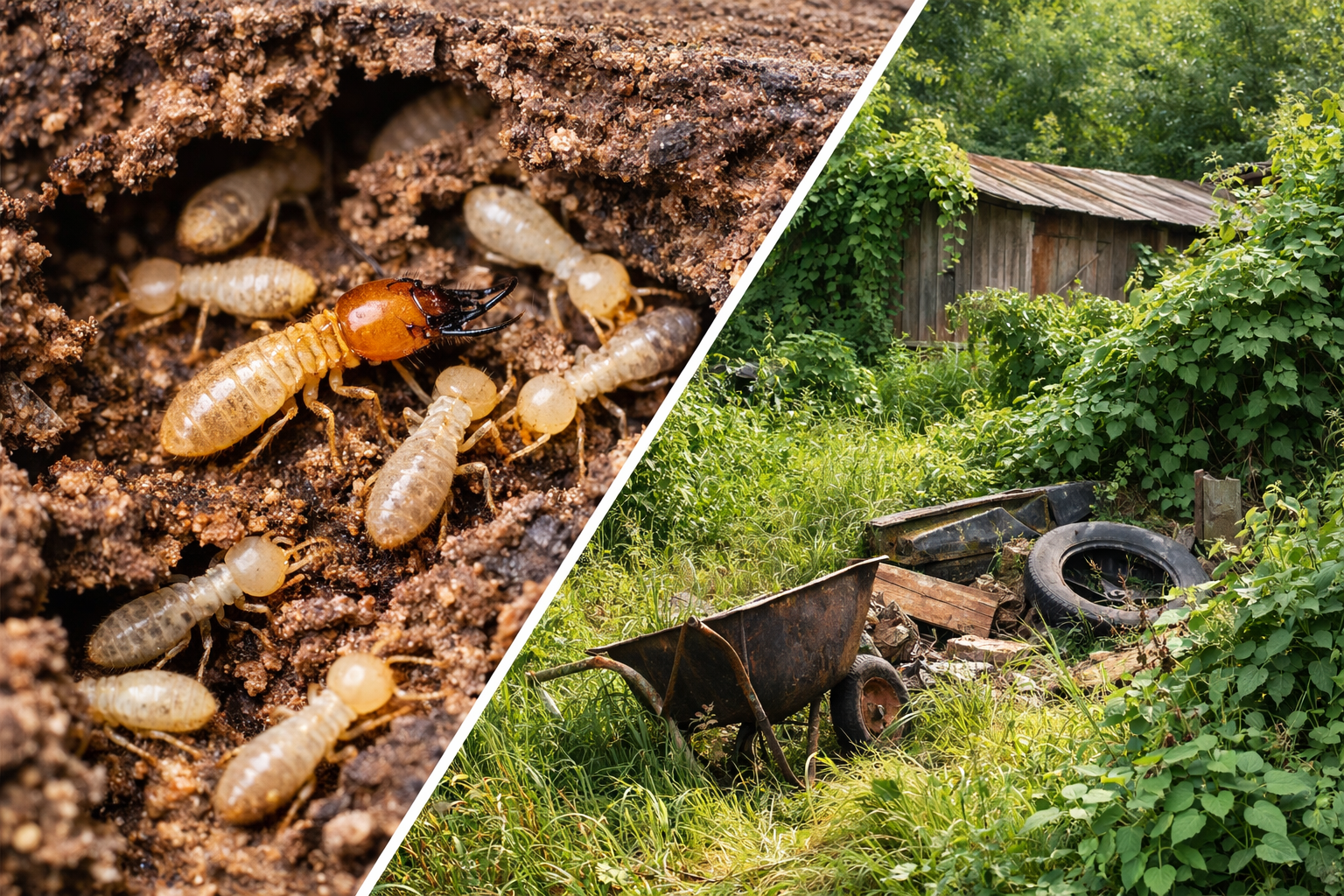
As the Hudson Valley shakes off the last of the frost, April brings more than just rain showers to lower New York. For facility managers and property owners near Newburgh and Poughkeepsie, this month marks a critical biological threshold. With average April temperatures in the region climbing to a high of 58°F and soil temperatures finally breaking the 50°F mark, two silent threats begin their annual surge: subterranean termite swarms and rapid, unmanaged vegetation growth.
For commercial entities—from food processing plants near Route 9W to sprawling warehouses in Orange County—this is the month where proactive maintenance prevents mid-summer disasters. Ignoring the perimeter now allows invasive species and wood-destroying insects to establish a foothold that can compromise both structural integrity and health inspections.
Understanding the April Termite Swarm
Termite swarmer activity is the primary indicator that a massive subterranean colony is already established nearby and looking to expand its footprint. In the Hudson Valley, these winged "reproductives" emerge in massive clouds following warm spring rains, often appearing indoors near windows or light fixtures as they seek new soil to colonize.
Commercial structures near Middletown and West Point are particularly vulnerable if they have direct soil-to-wood contact or moisture issues near the foundation. Unlike residential homes, commercial buildings often have complex utility penetrations that serve as "termite highways," allowing pests to bypass traditional barriers and reach internal support beams or sensitive inventory.
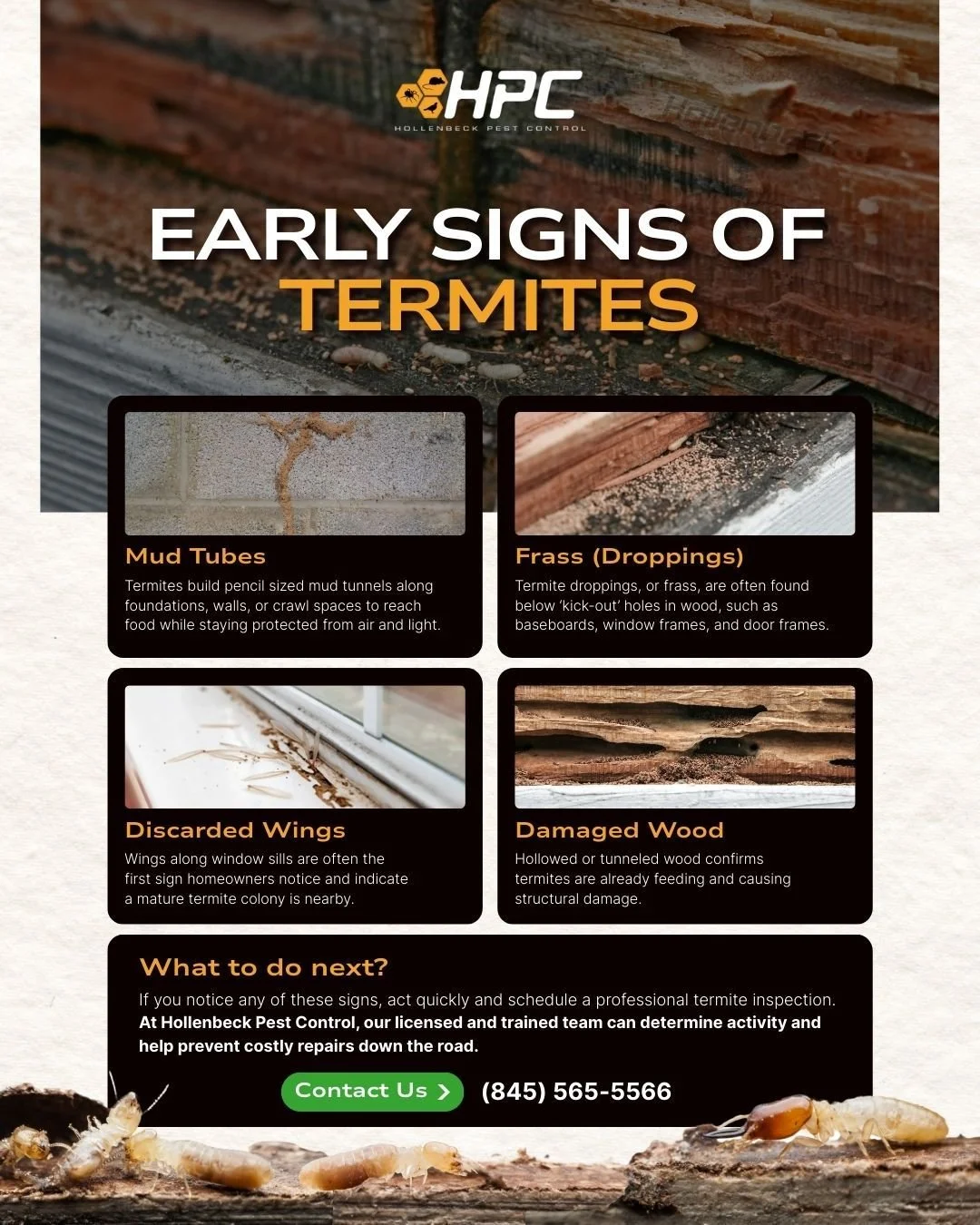
Inspect all loading docks and concrete expansion joints for mud tubes.
Monitor basement utility rooms and crawlspaces for discarded wings.
Ensure that mulch and landscaping are kept at least 12 inches from the building foundation.
Repair any leaking outdoor faucets or HVAC condensation lines immediately.
Pests of the Month
The Subterranean Termite
(Reticulitermes flavipes)
In the Hudson Valley, the Eastern Subterranean Termite is the most economically significant pest facing commercial infrastructure. These social insects live in massive underground colonies, sometimes extending several feet below the frost line to survive New York winters.
Termite Habits & Identification:
Unlike ants, termites have straight antennae and a thick waist. In April, the colony produces "swarmers"—winged reproductives whose sole job is to fly, mate, and start new colonies. If you see hundreds of discarded, translucent wings near a window or loading dock in New City or Haverstraw, it is a definitive sign of an active infestation.
Local Risks of Termites:
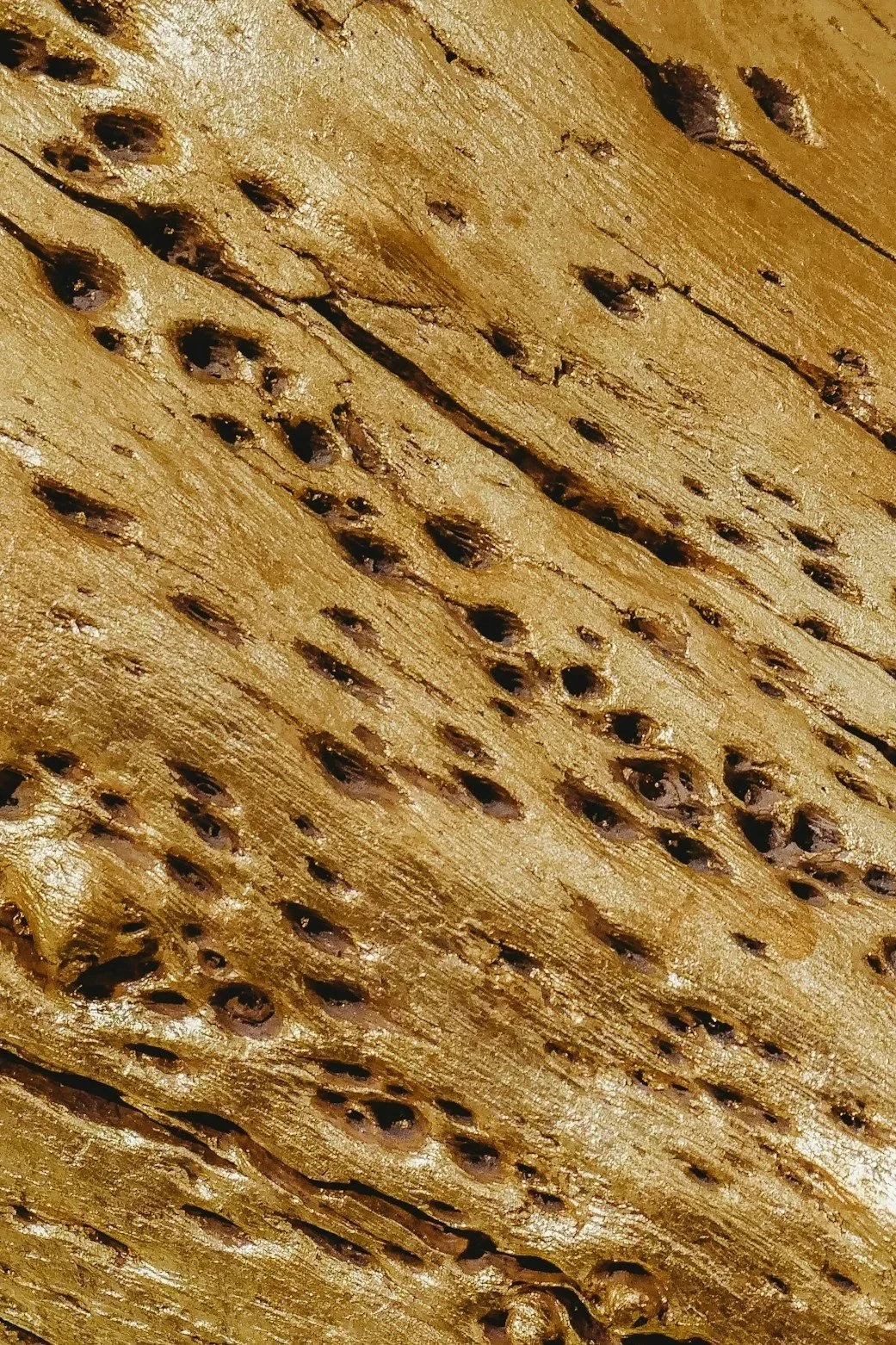
Because our region has a high water table and clay-heavy soil—especially near Route 9W and Route 32—moisture often gets trapped against building foundations. Subterranean termites require this moisture to survive, building "mud tubes" (pencil-thin tunnels made of soil and saliva) to travel from the ground to the wooden components of your building without drying out. Left unchecked, they can hollow out structural headers and floor joists before a single sign of damage is visible on the surface.
Vegetation Management:
The First Line of Defense for Your Business
Hollenbeck are experts of Vegetation Management
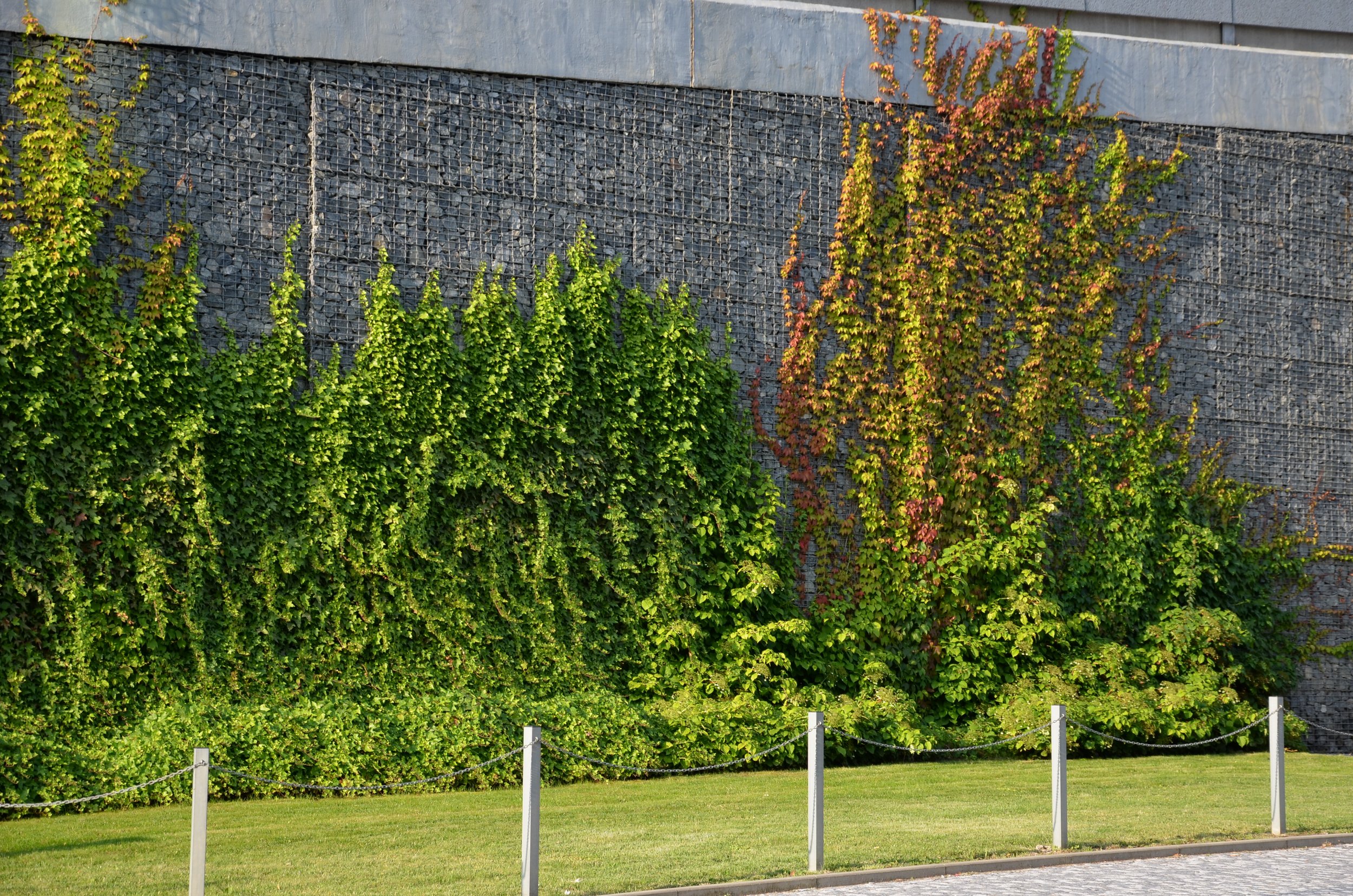
Vegetation management is a critical component of Integrated Pest Management (IPM) for industrial sites near I-87 and Rockland County. Overgrown brush, tall grasses, and invasive weeds act as "pest bridges," providing harborage for rodents, ticks, and stinging insects right against your facility's exterior walls.
When weeds are allowed to grow unchecked near New Windsor or Kingston commercial sites, they trap moisture against the building, creating the exact humid environment termites and carpenter ants crave. Furthermore, thick brush provides cover for rats and mice, allowing them to scout for entry points into your warehouse or kitchen without being spotted by natural predators or security cameras.
Clear a 3-foot "sterile zone" of gravel or bare earth around the entire building perimeter.
Identify and remove invasive Japanese Knotweed or Multiflora Rose before they go to seed.
Keep grass mowed short near employee entrances and outdoor break areas to reduce tick questing.
Trim tree branches so they are at least 6 to 10 feet away from the roofline to prevent bridge-access.
Did You Know?
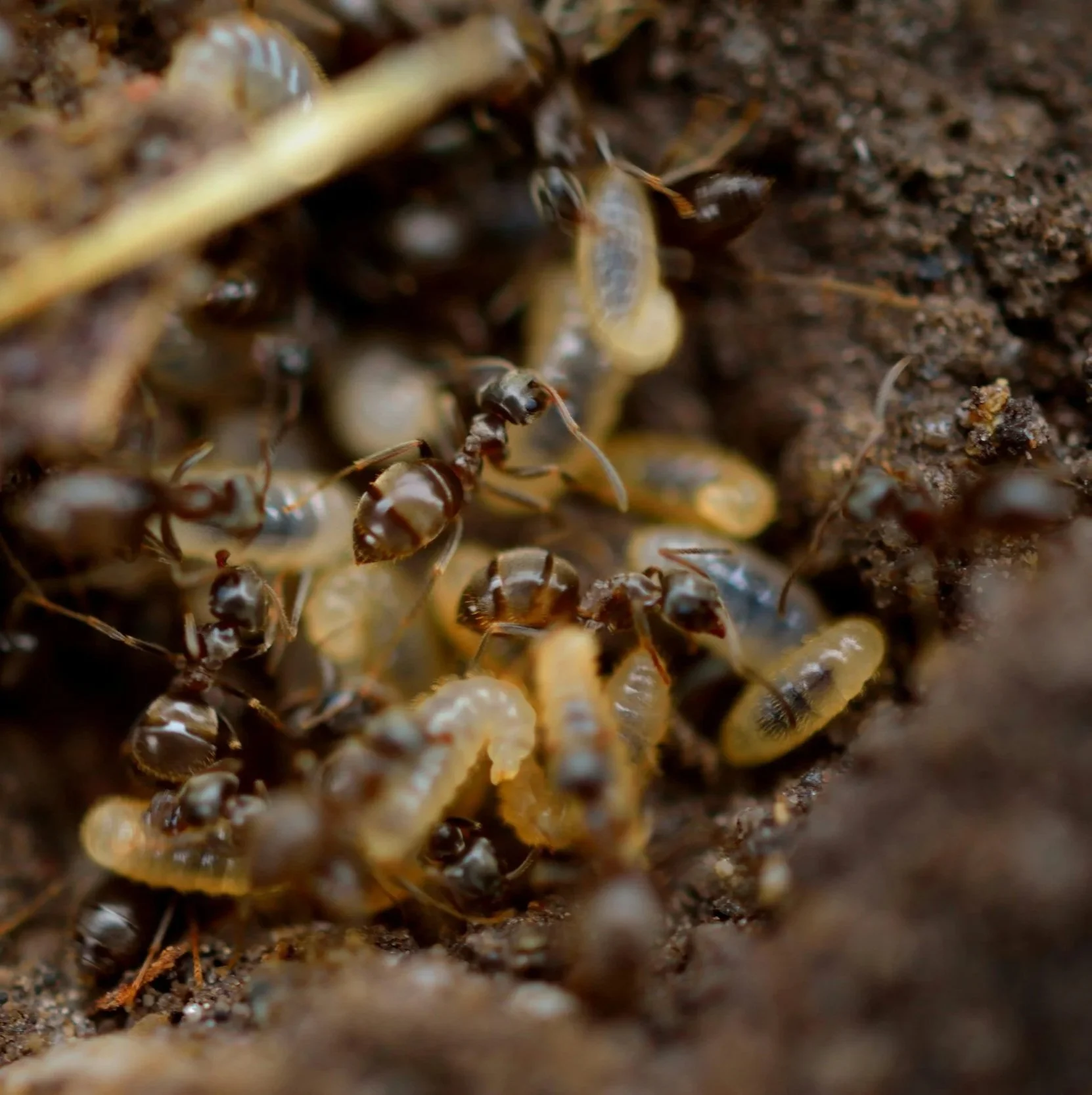
A single subterranean termite colony in the Hudson Valley can contain over 1,000,000 members and consume several pounds of wood per year. Because they work from the inside out, structural damage is often invisible until a support beam fails or a "swarm" occurs.
Local Risks for Hudson Valley Businesses
The geography of the Hudson Valley, particularly near Route 32 and the Taconic State Parkway, creates unique micro-climates. Properties nestled near wooded areas or standing water face higher pressure from wood-boring beetles and ticks, while urban centers near New City or Spring Valley deal more frequently with rodent migrations as the weather warms.
Food processing facilities must prioritize "Zero-Tolerance" rodent programs.
Warehouses should implement pheromone trapping for stored product pests in April.
Office parks need to address early-season stinging insect queens nesting in eaves.
Hospitality businesses should conduct proactive bed bug sweeps before the spring travel surge.
PROTECT Your business OR PROPERTY Year-Round

Strategic Commercial Service Plans
Maintaining a pest-free environment in a commercial setting requires more than just reactive spraying; it demands a comprehensive, year-round strategy. Hollenbeck Pest Control provides tailored commercial service plans designed to meet the rigorous standards of food processing, healthcare, and logistics facilities throughout Ulster County and Dutchess County.
Our plans focus on documentation and prevention, ensuring your business stays compliant with local health codes and audit requirements. By integrating vegetation control with traditional pest barriers, we address the root causes of infestations before they reach your inventory or disrupt your operations.
Detailed digital logs and "Trend Analysis" reports for health department audits.
Discreet, after-hours service to minimize disruption to your staff and customers.
Targeted applications that focus on the specific biology of local Hudson Valley pests.
Emergency response times that ensure a small sighting doesn't become a public relations crisis.
April Pest & Vegetation FAQ: Frequently Asked Questions
Termites FAQ: Seasonal Activity & Risks
Q: When is termite swarming season in the Hudson Valley?
A: Termite swarming typically occurs in April when soil temperatures rise above 50 degrees Fahrenheit.
This is the period when reproductive termites leave their colonies to start new ones near properties in Orange and Rockland Counties.
Q: What are the signs of termites in a commercial building?
A: Common signs include the presence of winged swarmers near windows and the appearance of mud tubes on concrete.
Property managers should also look for discarded wings on windowsills and inspect loading docks for small tunnels built by termites to stay hydrated.
Q: Can termites cause structural damage to commercial support beams?
A: Absolutely. Termites can consume several pounds of wood per year and often work from the inside out.
Because the damage is internal, it often remains invisible until the structural integrity of the beam is severely compromised.
Q: What temperature triggers subterranean termite activity?
A: Subterranean termites become active when soil temperatures consistently break the 50-degree Fahrenheit mark.
In the lower Hudson Valley, this biological trigger typically happens during the month of April following spring rains.
Vegetation FAQ: Perimeter Management
Q: How does vegetation management affect pest control for businesses?
A: Vegetation management removes 'pest bridges' such as tall grass and overgrown brush.
By clearing these areas, you reduce harborage for rodents and prevent moisture buildup that attracts termites to the building foundation.
Q: What is a 'sterile zone' in commercial pest management?
A: A sterile zone is a 3-foot perimeter of gravel or bare earth around a building.
This gap is a critical part of Integrated Pest Management, as it prevents pests from using vegetation as cover to reach the facility's walls undetected.
Q: How far should tree branches be from a commercial roof?
A: Tree branches should be trimmed back at least 6 to 10 feet from the roofline.
This prevents pests like squirrels, raccoons, and carpenter ants from using branches as a bridge to enter the upper levels of the building.
Q: Why is April a critical month for Hudson Valley pest control?
A: April is the 'threshold month' where average temperatures reach 58 degrees Fahrenheit.
This specific weather combination of warmth and moisture triggers both the emergence of termites and the rapid growth of invasive weeds in New York.
Commercial Service FAQ: Plans & Compliance
Q: Do commercial service plans help with health department audits?
A: Yes, professional commercial plans provide detailed digital logs and trend analysis reports.
These documents prove consistent oversight and are essential for staying compliant with local health codes and food safety audits.
Q: Are Hudson Valley warehouses at risk for specific pests?
A: Yes, warehouses near major routes like I-87 should prioritize rodent programs and stored product pest trapping.
As the weather warms in April, pests often migrate toward industrial structures looking for food sources and nesting sites.
Q: What road areas in NY are prone to high pest pressure?
A: Properties located near Route 9W, Route 32, and the Taconic State Parkway often face higher pressure.
These areas often sit adjacent to wooded corridors and agricultural sites, which serve as natural breeding grounds for various wood-boring insects.
Q: Does Hollenbeck offer discreet services for hospitality businesses?
A: Yes, Hollenbeck Pest Control offers after-hours service for hospitality and healthcare facilities.
This discreet approach allows us to maintain a pest-free environment without disrupting your staff, guests, or patients during business hours.




For homeowners, September marks the beginning of peak wildlife invasion season. Bats, chipmunks, and squirrels begin actively scouting home perimeters…