
Wildlife Alert: Protecting Your Property from Spring Intruders
As the frost finally leaves the soil in towns like Middletown, Newburgh, and Poughkeepsie, a different kind of guest is waking up. While insects are still sluggish, March is the peak month for new wildlife activity. From local residential backyards to the sprawling grounds of Apartment Complexes and Schools, the "Spring Stir" is officially here. Hollenbeck Pest Control is ready to help you secure your perimeter before these animals settle in for the season.
The "Spring Stir": Why Wildlife is Moving Now
In lower New York, March temperatures (averaging 32°F to 47°F) signal the start of the breeding season for many larger pests.
Animals that spent the winter tucked away are now hungry, active, and looking for a safe place to raise their young. Unfortunately, the crawl space under your home in New Windsor or the deck of a local Church in Kingston looks like a five-star hotel to them.
The Real Danger: Why "Quiet" Wildlife is a Loud Threat
While it might seem harmless to have wildlife on your property, like a raccoon on the roof or a skunk under the porch, these animals bring more than just noise. In the Hudson Valley, the "Spring Stir" introduces two major categories of risk: Structural Destruction and Bio-Health Hazards. Here are 3 of the top offenders:
1. Raccoons: The Heavyweight Destroyers
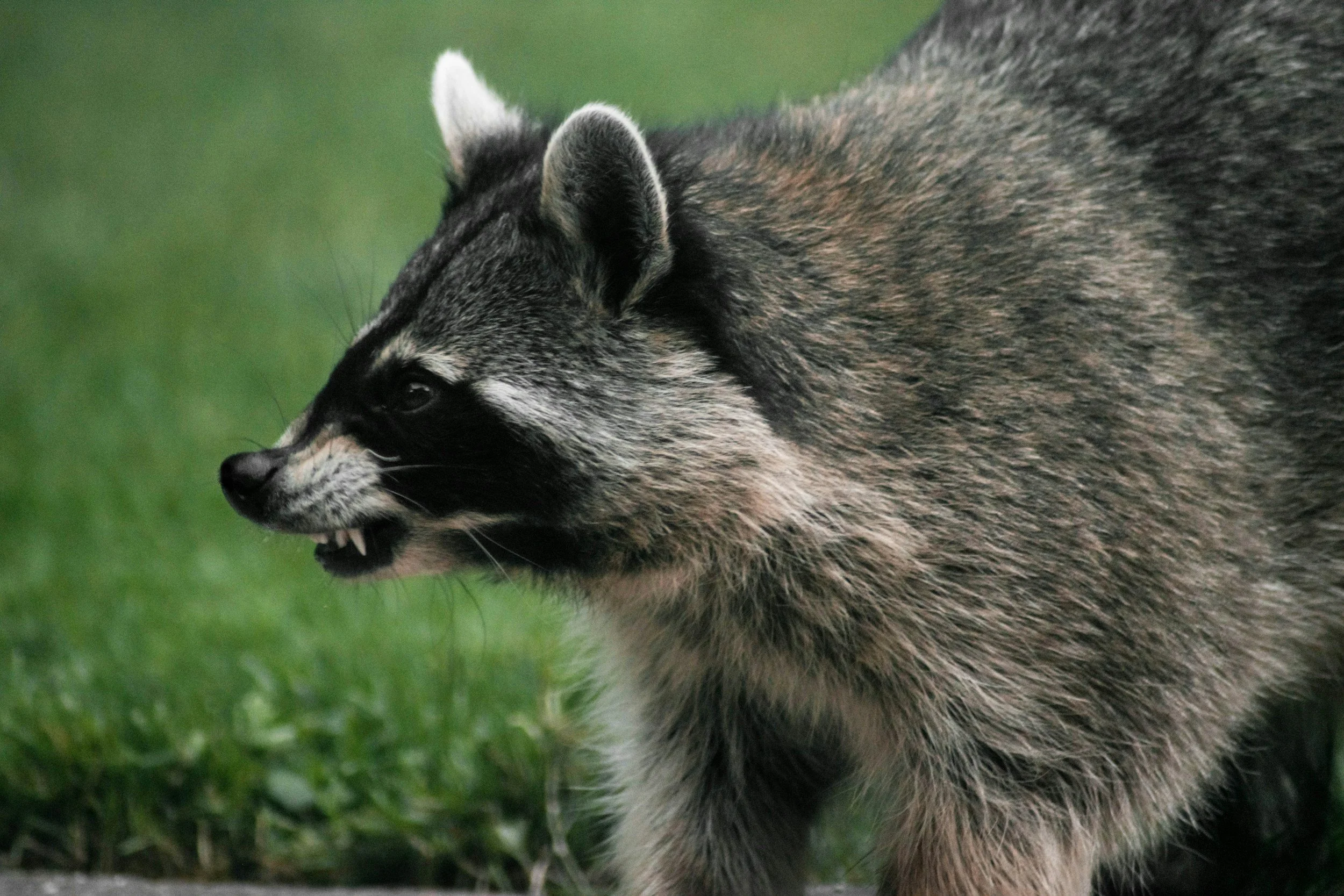
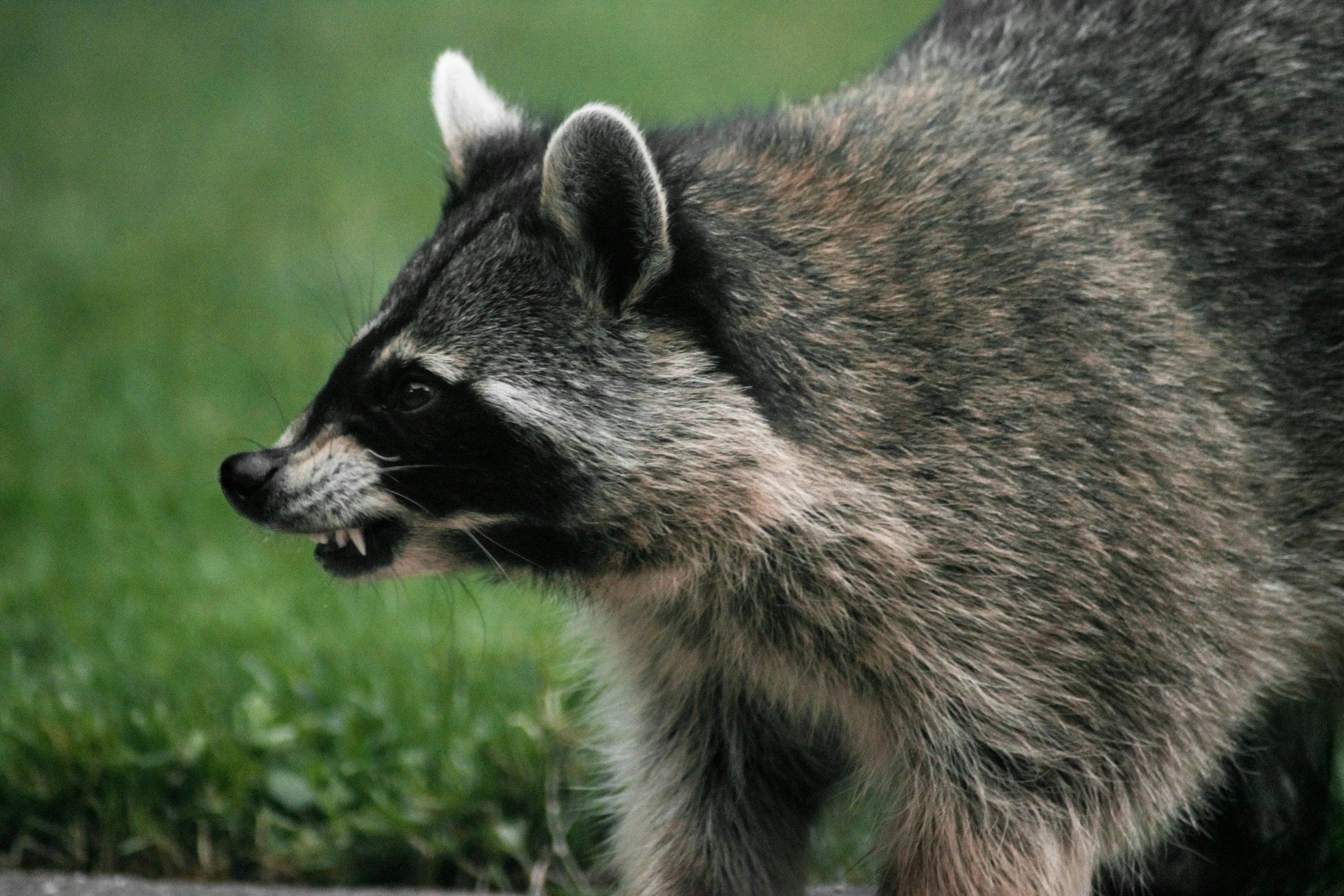
Raccoons are surprisingly heavy and incredibly strong. In March, a female looking for a nesting site can rip through heavy roofing shingles, tear off aluminum soffits, and even destroy attic fans to gain entry.
The Threat: Once inside, they don't just sleep; they trample insulation (destroying your home’s R-value) and chew through electrical wiring. This creates a significant fire hazard for older homes in Kingston and Newburgh.
The Danger: Raccoons are primary carriers of Rabies in New York. Furthermore, their waste can contain Raccoon Roundworm, a parasite that can be dangerous to humans and pets if the droppings are disturbed.
2. Skunks: More Than Just a Smell
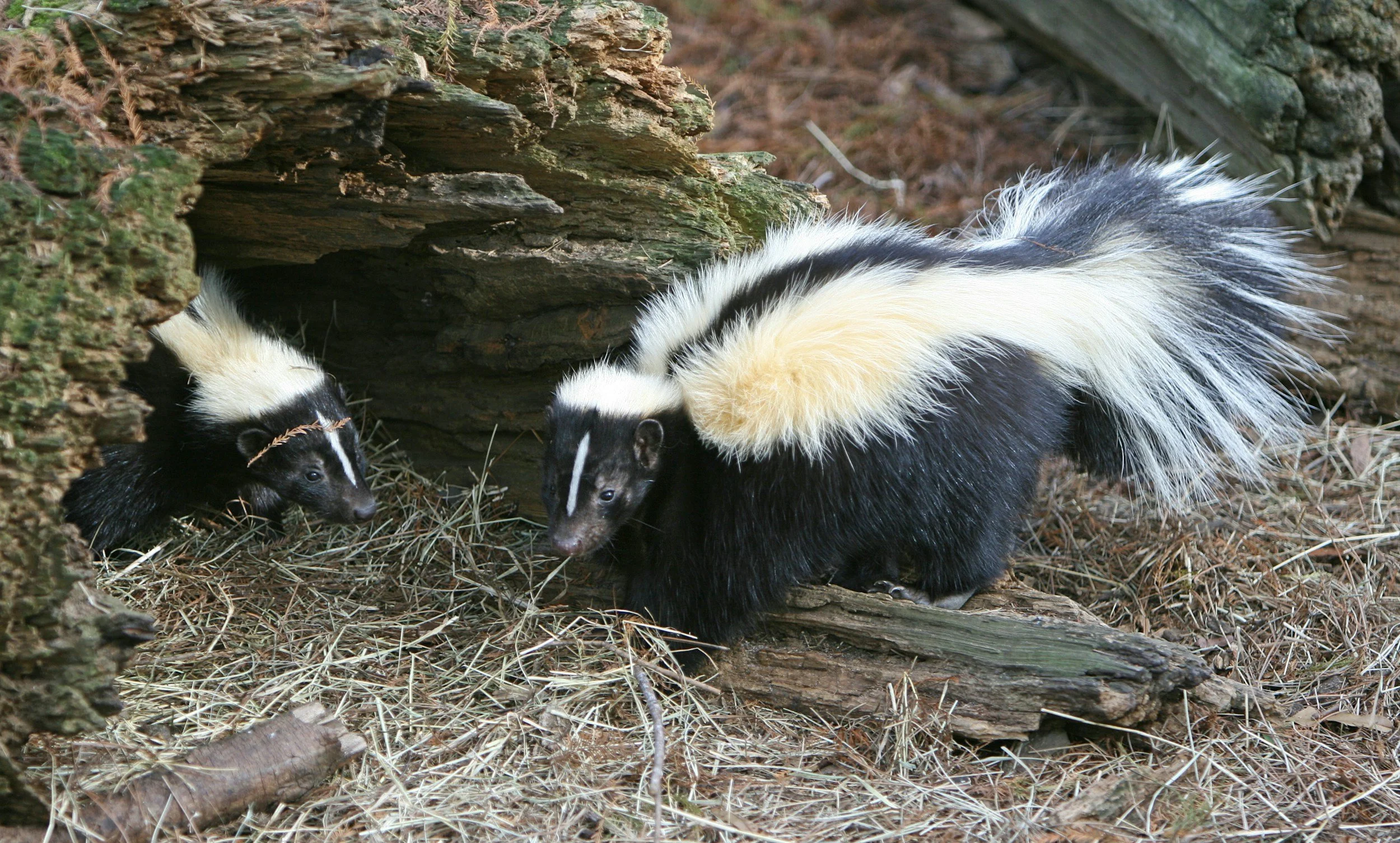
We all know the scent of a skunk, but their burrowing is the real problem in towns like Monsey and Nanuet. As the frost leaves the soil, skunks begin "grubbing"—digging small, cone-shaped holes in your lawn to find larvae.
The Threat: Because they prefer to den under concrete, their burrowing can cause structural settling or "voids" under front porches, steps, and sidewalks.
The Danger: Skunks are also high-risk Rabies carriers. Because they are low-to-the-ground and move slowly, they are the most likely wildlife to have a negative encounter with the family dog or cat, leading to expensive vet bills and a very smelly home.
Did You Know?
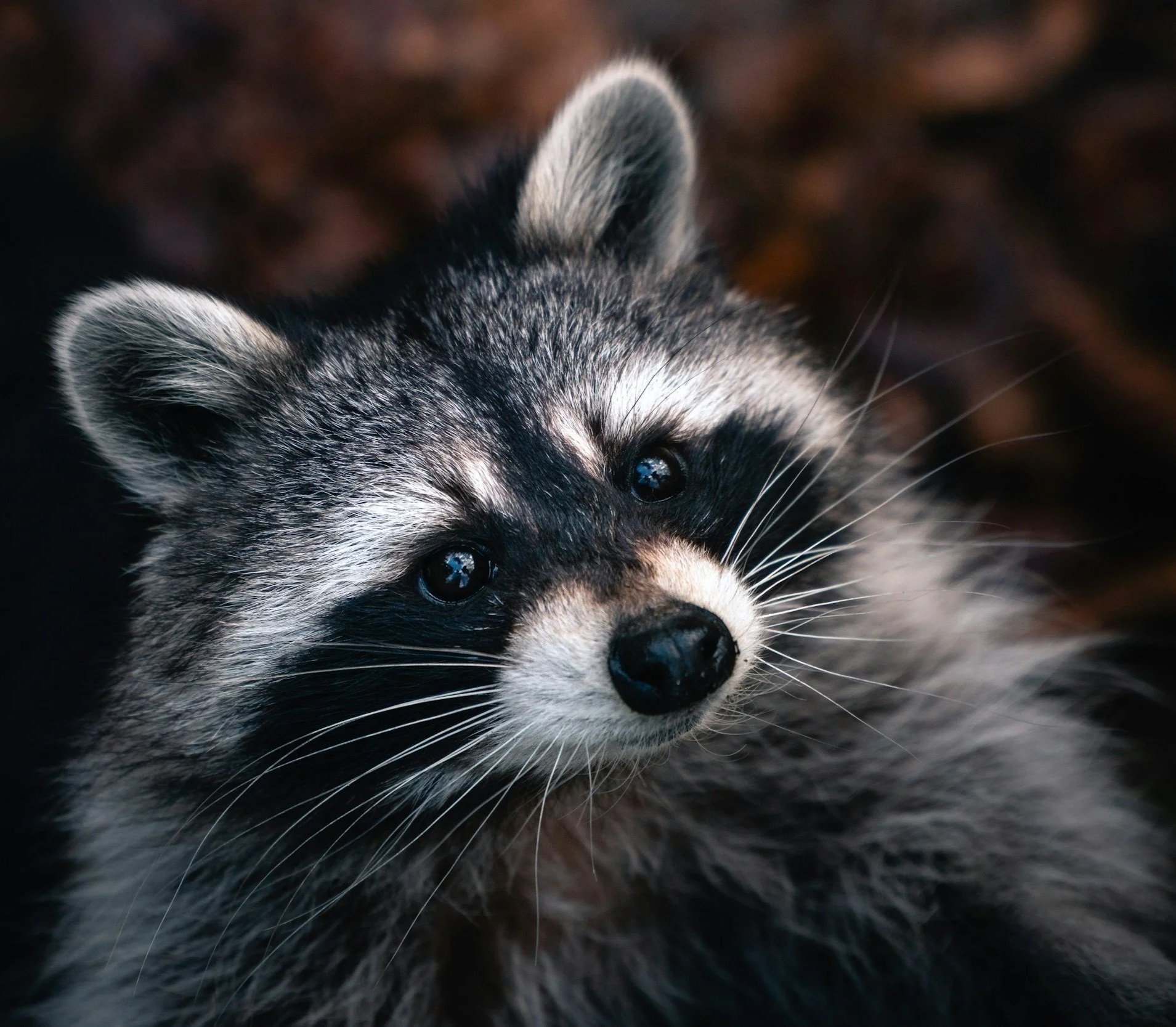
Raccoons have incredibly sensitive front paws. They have roughly four times more sensory receptors in their paws than they do in their back feet, allowing them to "see" with their hands. This is why they are so effective at opening latches, trash cans, and even some types of pet doors! If you spot one, never approach it; contact a professional to handle trapping and relocation.
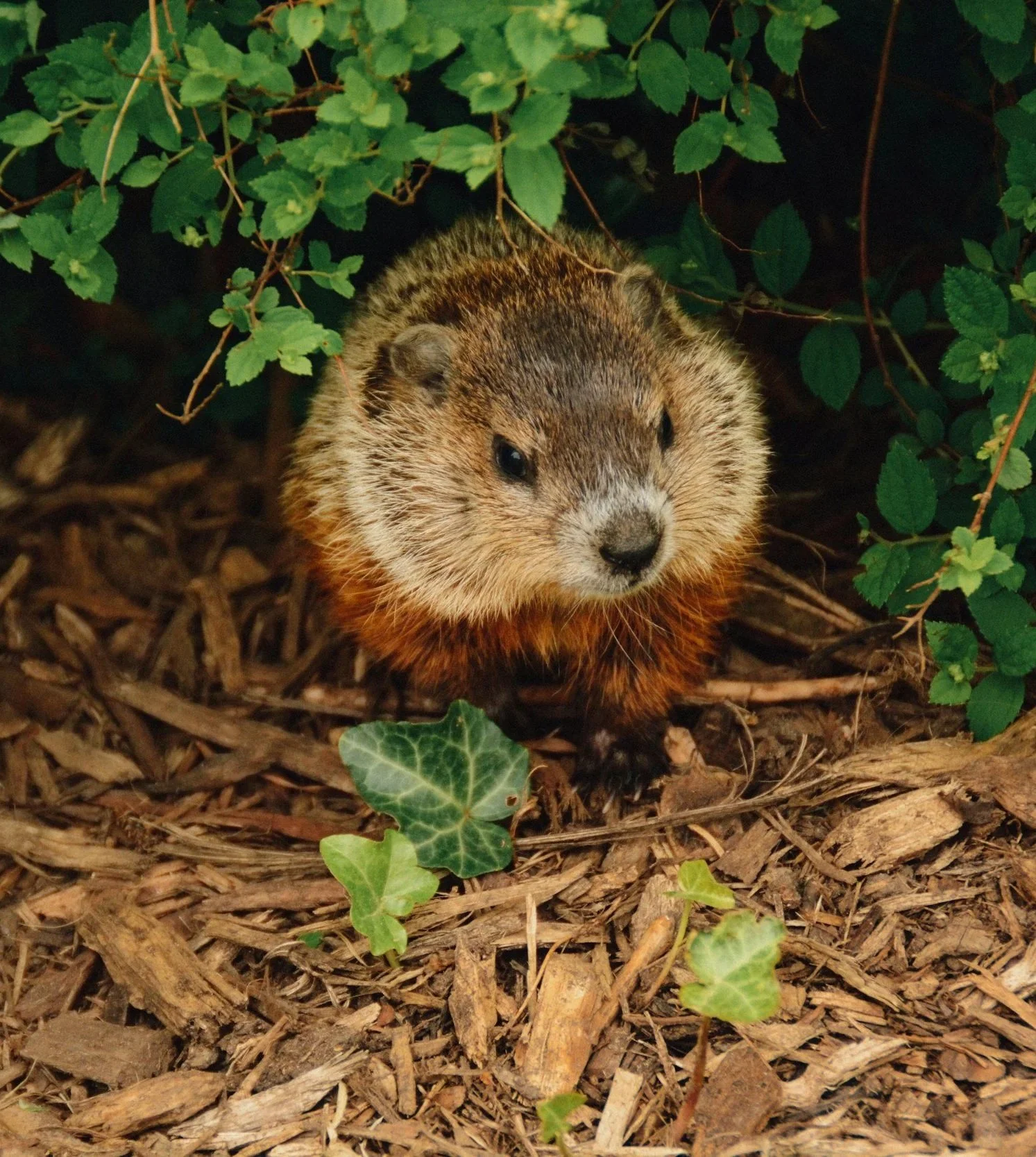
3. Groundhogs: The Underground Engineers
Known as "Woodchucks" throughout Orange and Rockland County, these animals are the masters of excavation. A single groundhog can move hundreds of pounds of dirt in a single season.
The Threat: Their tunnel systems are expansive and multi-chambered. When they tunnel under the foundation of a Supermarket or an Office Building, they can cause the soil to shift, leading to cracked foundations and water intrusion issues.
The Danger: While generally non-aggressive, a cornered groundhog will use its large, chisel-like incisors to defend itself. Their burrows also pose a physical danger to humans and livestock; a hidden tunnel entrance in a field or lawn is a "broken ankle" waiting to happen.
Pests of the Month
The Big Three
This month, we are keeping a close watch on three specific intruders common to our region:
Raccoons: These "masked bandits" are incredibly clever. In March, they seek out attics and chimneys in Monsey and Nanuet to build nests. They can tear through shingles and soffits, causing thousands in structural damage.
Skunks: If you notice a faint, musky odor near your foundation in New Paltz or Beekman, you likely have a resident skunk. They love to burrow under concrete slabs, porches, and sheds as the ground softens.
Groundhogs (Woodchucks): As the snow melts in Stony Point and Beacon, groundhogs begin re-excavating their burrows. Their tunneling can undermine the structural integrity of walkways and foundations.
Commercial Spotlight: Protecting High-Traffic Facilities
Wildlife doesn't just affect homeowners. We specialize in protecting sensitive B2B Industrial Verticals, including:
Schools & Daycare Facilities: Our "Quality Pro Schools" certification ensures that we handle wildlife removal with the highest safety standards for students and staff.
Apartment Complexes: Large properties in Haverstraw and Suffern are prone to groundhog and skunk infestations in common green spaces.
Churches: Steeple and attic areas in historic Hudson Valley churches are prime real estate for raccoons and squirrels.

Proactive Tips for Property Managers and Homeowners
Inspect the Perimeter: Walk the grounds of your property in Plattekill or Lloyd. Look for new holes near the foundation or gaps in siding.
Secure Food Sources: Ensure outdoor dumpsters at Apartment Complexes are locked. For homeowners, bring bird feeders in at night.
Trim the Trees: Keep branches at least 6–10 feet away from your roofline to prevent raccoons from jumping onto your shingles.

Hollenbeck has earned the QualityPro Schools Certification
Safe & Humane Wildlife Solutions
At Hollenbeck Pest Control, we don't just "get rid" of the problem. We provide comprehensive Wildlife services, including professional trapping, exclusion (sealing the holes so they can't get back in), and sanitation. Whether you are managing an office building in Airmont or a home in Valley Cottage, we have the tools to restore your peace of mind.
Is your property prepared for the Spring Stir? Don’t wait until a raccoon is in your attic or a skunk is under your porch. Call Hollenbeck Pest Control today to schedule a comprehensive wildlife inspection!
Professional Exclusion: The Only Permanent Solution
Many homeowners try "DIY" methods like mothballs or strobe lights, but these rarely work on determined spring nesters. At Hollenbeck, we use Professional Exclusion. This means we don't just trap the animal; we find every entry point and seal it with heavy-duty galvanized steel screening or masonry. Whether you are managing an Apartment Complex in Spring Valley or a residence in Goshen, exclusion is the only way to ensure that when one animal leaves, another doesn't take its place.
Secure Your Home or business Year-Round
Spring Into Action: Year-Round Vigilance for Hudson Valley Homeowners
The most effective way to handle the shifting pest pressures of the Hudson Valley—from the winter's lingering wildlife to the upcoming surge of summer ticks—is through consistent, professional oversight. As the ground thaws this March, our Residential Service Plans are designed to take the guesswork out of property maintenance by providing year-round vigilance.
Standard Protection: Our most popular option for residents from New City to Poughkeepsie. This plan focuses on seasonal defense, establishing a proactive barrier around your home’s perimeter to stop pests before they ever find a way into your attic or crawl space.
Enhanced Protection: For total peace of mind as the "Spring Stir" begins, our higher-tier service includes all the benefits of our standard visits plus specialized monitoring. This plan offers an extra layer of defense against wood-destroying insects and the specific seasonal invaders that wake up as the Hudson Valley warms.
By enrolling in a service plan, you aren't just buying a treatment; you are securing a professional partnership. Our technicians, deeply familiar with the common entry points in homes throughout Rockland and Orange County, perform thorough inspections during every visit. We catch early signs of activity—whether it’s a budding raccoon nest or hidden termite explorers—long before they become a structural catastrophe.
Local Service Areas for wildlife pest control in NY
We provide expert wildlife and pest solutions near Woodbury, Scotchtown, Newburgh, Esopus, South Blooming Grove, New Square, Orange Lake, and Monroe.
Wildlife FAQ: Frequently Asked Questions
Wildlife FAQ: Seasonal Activity & Risks
Q: Why are raccoons and skunks so active in the Hudson Valley during March?
A: March marks the peak of the "Spring Stir" as temperatures rise, triggering breeding and nesting seasons.
As the average temperatures in lower New York climb, animals emerge from winter dormancy hungry and actively seek secure, dry spaces like attics or crawl spaces to raise their young.
Q: What are the common signs of a skunk living under my porch?
A: The most obvious signs include a persistent pungent odor and shallow quarter-sized holes in your lawn.
You may also notice scratching or thumping sounds coming from beneath the structure at night as skunks establish their spring dens.
Q: Are skunks in New York dangerous?
A: Skunks are a primary vector for rabies in NY and can be dangerous if they feel threatened.
While generally docile, they can pose a threat if they carry diseases that cause aggressive behavior or if they spray pets and family members near your property.
Q: How can I tell if a raccoon is in my attic near Newburgh?
A: Common signs include heavy thumping sounds at night, torn shingles, or damaged soffits.
Because raccoons are heavy and strong, they often leave visible destruction around roof vents and entry points as they force their way inside for the spring nesting season.
Wildlife FAQ: Property Damage & Prevention
Q: Are groundhogs dangerous to my Poughkeepsie home's foundation?
A: Yes, groundhogs are expert excavators that can cause soil shifting and foundation cracks.
Their multi-chambered tunnel systems can undermine concrete slabs, walkways, and the structural integrity of residential and commercial buildings alike.
Q: How does weather in the Hudson Valley affect pest behavior in March?
A: Rising temperatures and spring rains soften the ground, which facilitates wildlife digging and movement.
Increased moisture from melting snow and spring rain also drives wildlife toward the high, dry ground offered by human structures.
Q: How do I stop animals from digging under my deck near Middletown?
A: The most effective method is a "trench screen" installation using heavy-gauge wire mesh.
By burying the mesh deep into the ground around the perimeter, you create a physical barrier that prevents skunks and groundhogs from burrowing underneath to create dens.
Q: What is the 'maternal den' season?
A: This is the period between March and May when female wildlife seek out secure, warm locations to give birth.
Attics, chimneys, and crawl spaces are primary targets for mother raccoons and skunks during this vulnerable biological phase.
Wildlife FAQ: Professional Solutions
Q: What is professional wildlife exclusion?
A: Exclusion is a permanent solution involving the identification and sealing of all potential entry points.
Unlike simple trapping, exclusion uses heavy-duty materials like galvanized steel to ensure that once an animal is removed, no future intruders can re-occupy the space.
Q: Why shouldn't I handle a skunk or raccoon myself?
A: Wildlife in lower NY are primary carriers of Rabies and parasites like Raccoon Roundworm.
Attempting DIY removal increases the risk of bites, spray, or exposure to bio-hazardous waste that requires professional-grade sanitation and equipment.
Q: Does Hollenbeck offer wildlife services for apartment complexes?
A: Yes, we specialize in commercial wildlife management for high-traffic facilities like apartments and schools.
We use safe, professional-grade trapping and exclusion methods to protect residents and maintain the structural safety of large-scale properties while adhering to safety standards.
Q: Does Hollenbeck Pest Control offer a warranty for wildlife services?
A: Yes, Hollenbeck provides service warranties ranging from 30 days up to 1 year.
If the pests return to the treated area during your specific warranty period, our technicians will return to address the issue at no additional cost.



For homeowners, September marks the beginning of peak wildlife invasion season. Bats, chipmunks, and squirrels begin actively scouting home perimeters…