
July Pest Patrol: Defending Your Yard from Mosquitoes and Japanese Beetles
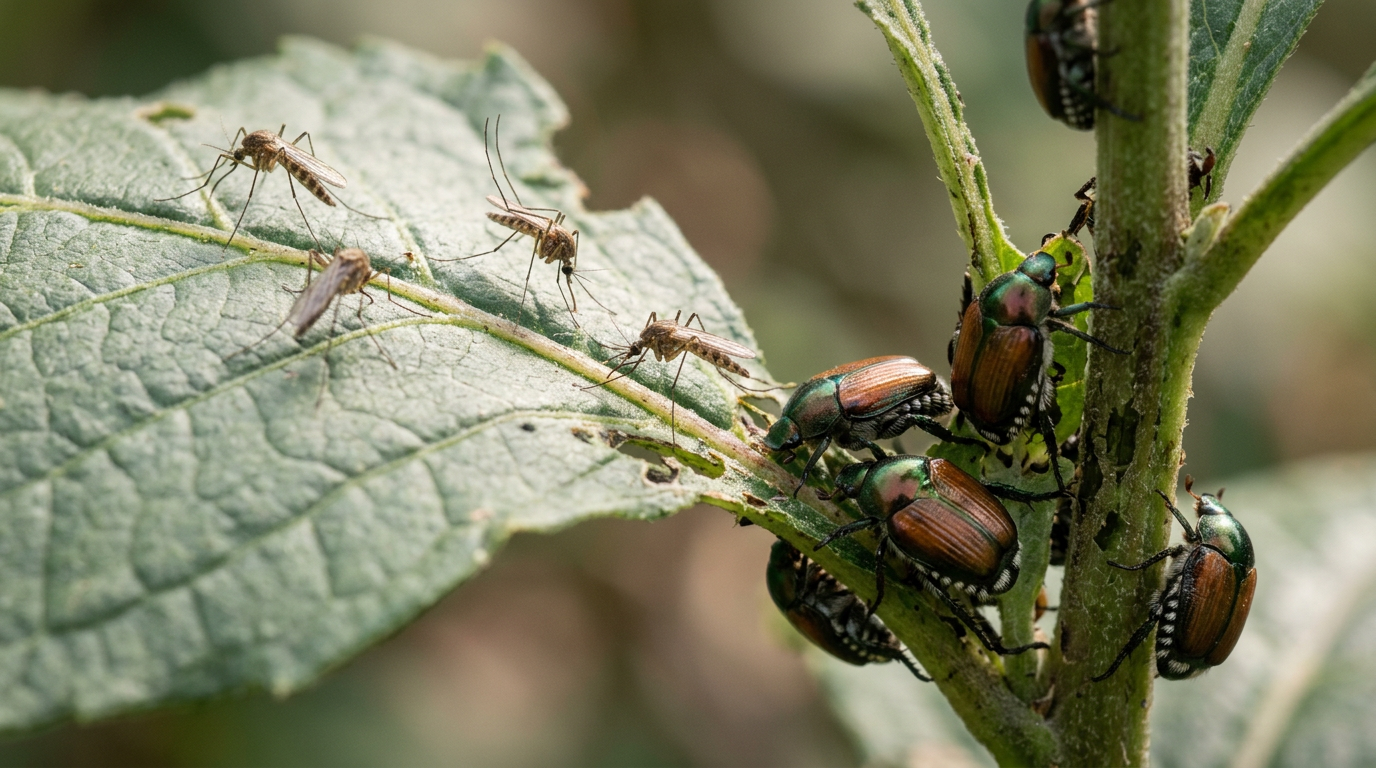
July represents the peak of summer across lower New York, bringing long sunny days, backyard barbecues, and vibrant lawn gardens. However, it also brings atmospheric conditions that trigger massive spikes in lawn and biting insect populations. As average daily high temperatures climb to 83°F across the Hudson Valley, paired with afternoon humidity and pop-up thunderstorms, homeowners face a double threat in their outdoor living spaces: swarming mosquitoes and foliage-munching Japanese beetles.
Understanding the seasonal connection between July’s heat index and local pest biology is essential for maintaining a comfortable patio and a healthy landscape. When left unchecked, these two destructive summer pests can turn evening deck gatherings into a itchy ordeal and reduce prized garden foliage to lace within a matter of days.
The July Heat Index and Rapid Pest Proliferation
Summer heat acts as a biological accelerator for cold-blooded insects. In lower New York, July weather creates ideal microclimates for breeding insects, particularly in residential properties situated along wooded borders or low-lying water drainage areas near the Taconic State Parkway and Route 9W.
Mosquito Acceleration Factors
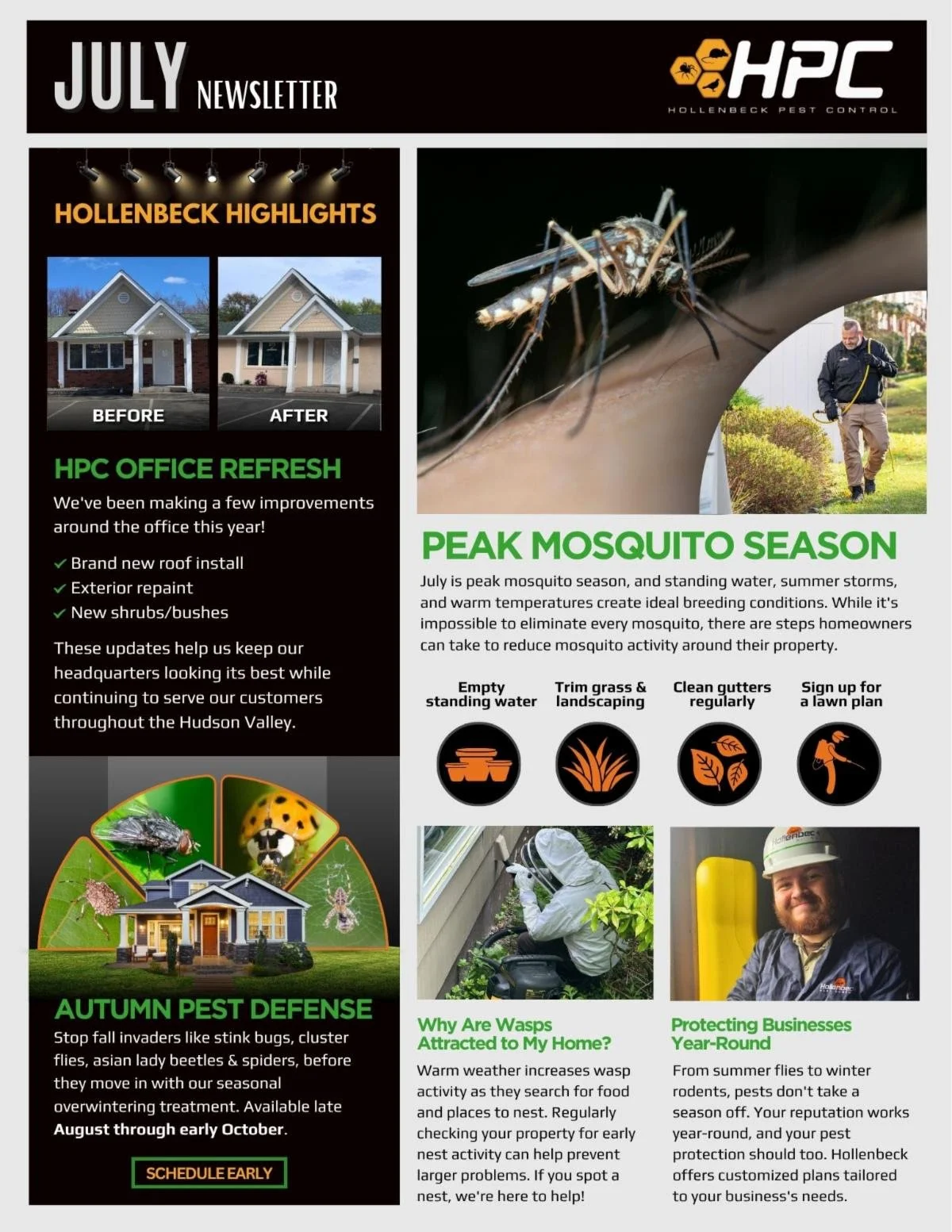
Mosquitoes require standing water and ambient warmth to complete their life cycle. During cooler spring months, development from egg to biting adult can take several weeks. In July's mid-80s heat, that incubation timeline shrinks drastically to as few as 5 to 7 days. Thunderstorms leave water pockets in uncleaned gutters, plant saucers, and kids' toys near homes in Poughkeepsie and Newburgh, providing prime egg-laying habitat right outside your back door.
High ambient humidity keeps adult mosquitoes active longer into the day by preventing desiccation.
Warm water temperatures accelerate egg hatching rates in stagnant backyard puddles.
Frequent summer rains continually refresh hidden breeding sites across suburban yards.
Dense summer shade under tree canopies provides daytime harborage for resting adults.
Did You Know?
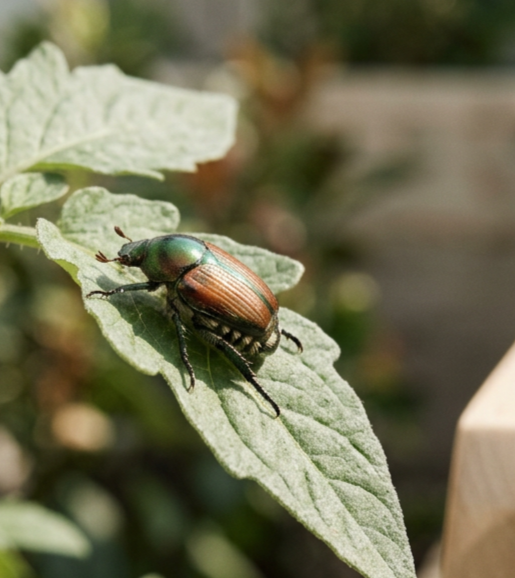
A single female Japanese beetle can lay up to 60 eggs during her short 4-to-6-week adult lifespan in July, and adult swarms are capable of flying several miles following wind currents to find new gardens!
Japanese Beetle Emergence Signals
While mosquitoes thrive on humidity and standing water, adult Japanese beetles (Popillia japonica) emerge from the soil in early July driven by soil warmth. Emerging hungry after spending winter as subterranean grubs, adult beetles take flight in search of sunlit host plants. Neighborhoods near New City, Monroe, and Kingston often experience sudden mass feeding frenzies on ornamental plants as ambient temperatures peak.
Soil temperatures rising past key summer thresholds trigger synchronized adult emergence.
Direct sunlight attracts hungry beetles to the upper canopy of fruit trees and ornamental shrubs.
Pheromones released by early feeding beetles attract larger swarms from neighboring properties.
Mating females seek out well-watered, sunny lawns to lay eggs for the next generation of grubs.
Pest of the Month
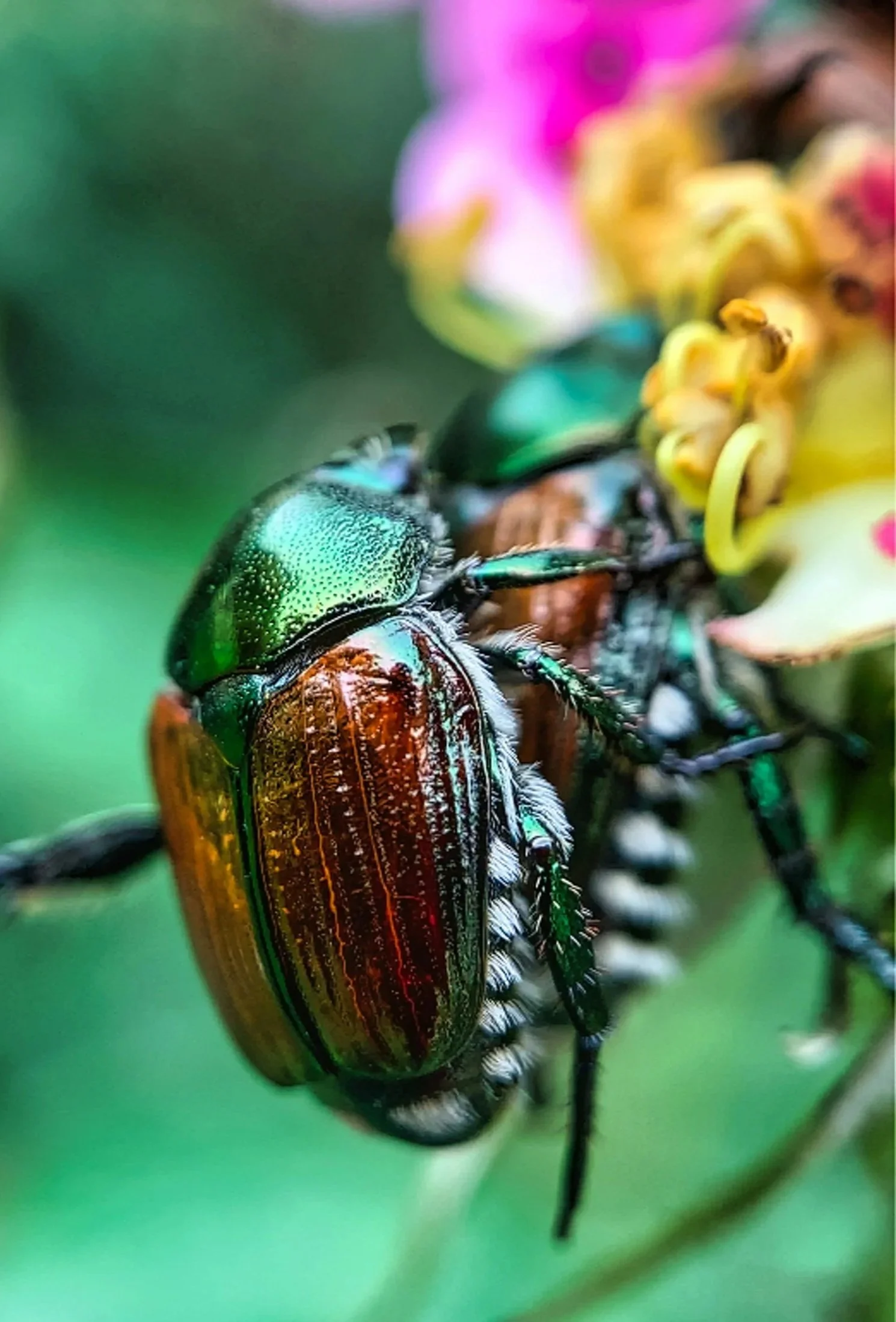
The Japanese Beetle stands out as one of the most destructive landscape pests in Orange County, Rockland County, and Ulster County. Easily recognized by its metallic green head, copper-brown wing covers, and small white hair tufts along its abdomen sides, this invasive species attacks over 300 plant varieties.
Pest of the Month: The Japanese Beetle (Popillia japonica)
Destructive Feeding Habits
Adult beetles feed aggressively during bright daylight hours, targeting the soft tissue between leaf veins. This results in a distinctive "skeletonized" leaf structure that starves the plant of energy. They favor rose bushes, linden trees, Japanese maples, birch trees, and fruit crops commonly cultivated near Hyde Park and New Windsor.
The Hidden Turf Threat
The damage does not stop at foliage. After feeding throughout July, female beetles burrow 2 to 4 inches into moist lawn soil to deposit eggs. By late summer, these eggs hatch into C-shaped white grubs that feed voraciously on turfgrass roots. Uncontrolled adult populations in July directly translate to dead, spongy brown patches of lawn in September.
Mosquito and Japanese Beetle Control FAQ: Frequently Asked Questions
Pest/Service FAQ: Identification & Inspection
Q: What are the early signs that adult Japanese beetles have invaded ornamental plants near Poughkeepsie?
A: The primary sign of a Japanese beetle invasion is the distinctive skeletonized appearance of leaves on ornamental plants and fruit trees, where only the tough leaf veins are left intact. These copper and green foliage-munching pests feed aggressively in direct sunlight, rapidly stripping soft leaf tissues.
Secondary warning signs include swarming beetles congregating on upper tree canopies, rose bushes, and Japanese maples. Homeowners near Poughkeepsie should inspect their gardens during early July heat spells, as feeding pheromones can quickly draw larger swarms from neighboring yards across Dutchess County.
Q: Which specific trees and shrubs are most vulnerable to Japanese beetle feeding frenzies near New City and Kingston?
A: Japanese beetles attack over 300 plant species, but they show a strong preference for rose bushes, linden trees, Japanese maples, birch trees, and various fruit crops. These prized landscape plants provide ideal nutrition for emerging adult beetles during peak summer temperatures.
If your residential property near New City or Kingston features these vulnerable plant species, daily inspections in early July are crucial. Taking early control measures protects your landscape investment and prevents severe canopy defoliation across Ulster County.
Q: Can untreated Mosquitoes and Japanese Beetles cause structural damage or health hazards to properties near Route 9W?
A: While Japanese beetles target landscape plants and turf grass rather than building structures, mosquitoes pose a serious public health hazard by transmitting viruses like West Nile Virus. Heavy infestations of either pest can render outdoor living spaces unusable and significantly degrade your lawn's root system.
Properties situated along Route 9W often border low-lying drainage areas or wooded edges that exacerbate pest populations. Professional treatments manage both health risks and plant health, restoring comfort and security to your outdoor deck and yard.
Pest/Service FAQ: Biology & Environmental Factors
Q: What time of year is Mosquito and Japanese Beetle activity most severe in Ulster County?
A: Pest activity for both biting mosquitoes and leaf-eating Japanese beetles peaks during the hot summer month of July in lower New York. Daily high temperatures hovering around 83°F paired with afternoon humidity create ideal biological acceleration for insect breeding.
Throughout Ulster County, warm soil temperatures trigger synchronized beetle emergence, while stagnant water from summer thunderstorms reduces mosquito egg-to-adult incubation down to just 5 to 7 days. Early summer intervention is vital to stop populations before they swell out of control.
Q: Why do mosquito populations explode so quickly in residential yards near Middletown during July?
A: Mosquito populations surge rapidly in July because summer heat accelerates their biological lifecycle, allowing eggs to mature into biting adults in under a week. Elevated humidity levels further prevent adult mosquitoes from drying out, prolonging their daily activity windows.
In residential neighborhoods near Middletown, pop-up rain showers leave stagnant water pockets in plant saucers, gutters, and yard toys. Eliminating these breeding microclimates alongside professional targeted sprays stops rapid reproductive cycles in Orange County.
Q: Do pop-up thunderstorms accelerate mosquito breeding cycles on properties near Hyde Park?
A: Yes, frequent summer thunderstorms directly fuel mosquito population spikes by continually refreshing stagnant breeding sites throughout suburban yards. Warm rainwater collecting in clogged gutters, buckets, and low spots creates perfect egg-laying microenvironments.
Homeowners near Hyde Park frequently notice a massive influx of biting mosquitoes three to five days following heavy summer rain. Inspecting your property to tip out trapped water helps prevent larvae from reaching adult maturity.
Pest/Service FAQ: Treatment & Safety
Q: How should I prepare my property near Taconic State Parkway prior to a Mosquito and Japanese Beetle Control service?
A: Prior to your service, please bring children's toys, pet food bowls, and small patio items indoors, and ensure your lawn is freshly mowed. Clearing debris and tipping standing water in birdbaths helps maximize the coverage and efficacy of our applications.
For residential yards situated along Taconic State Parkway, trimming overgrown shrubs along property borders allows our technicians better access to shaded mosquito resting zones and beetle-infested foliage.
Q: Are Mosquito and Japanese Beetle Control treatments safe for children and pets in Orange County?
A: Yes, all professional pest treatments applied by Hollenbeck Pest Control adhere strictly to EPA safety guidelines to keep your family and pets protected. We require pets and children to remain indoors while treatments are actively being applied to your property.
Once the targeted foliage applications have fully dried—typically taking 1 to 2 hours depending on humidity—your yard across Orange County is completely safe for normal outdoor recreation.
Q: Does Hollenbeck Pest Control offer tailored Mosquito and Japanese Beetle Control plans for residential properties near Route 9W?
A: Hollenbeck Pest Control provides customized yard defense plans designed specifically for the unique pest pressures facing lower New York properties. Our tailored programs target daytime mosquito harborage areas, protect prized ornamentals, and disrupt breeding cycles.
Properties near Route 9W often feature dense foliage or proximity to wooded borders. Our technicians adjust application frequencies and product selections to deliver maximum long-term protection for your outdoor living space.
Pest/Service FAQ: Prevention & Maintenance
Q: How does high summer humidity affect daytime mosquito activity in shaded areas near Newburgh?
A: High humidity prevents delicate adult mosquitoes from desiccating, allowing them to remain active longer in shaded daytime harborage areas. Dense tree canopies and tall overgrown vegetation retain moisture, forming ideal resting sanctuaries for biting insects.
In residential properties near Newburgh, shaded backyard decks and ornamental gardens often harbor resting pests throughout July. Vegetation management and targeted foliage barrier sprays eliminate these humid resting zones.
Q: Will controlling adult Japanese beetles in July prevent lawn grubs later in the season near Monroe?
A: Yes, controlling adult Japanese beetles in July significantly reduces autumn lawn grub infestations by stopping females from laying eggs in your turf soil. Mating adult females burrow into moist lawn soil during mid-to-late summer to deposit their eggs.
Interrupting this cycle prevents C-shaped white grubs from hatching and feeding on grass roots come September. Homeowners near Monroe can avoid costly spongy, brown lawn damage by addressing adult beetle populations early.
Q: How can residential property owners near Dutchess County prevent Mosquitoes and Japanese Beetles from returning?
A: Preventing recurring infestations requires eliminating standing water, trimming dense foliage, and maintaining regular seasonal protective treatments. Diligent property maintenance deprives mosquitoes of breeding grounds and reduces daytime resting spots.
Because Japanese beetles can fly long distances on wind currents, combining cultural lawn practices with recurring seasonal barriers from Hollenbeck Pest Control provides the most reliable defense for properties near Dutchess County.



For homeowners, September marks the beginning of peak wildlife invasion season. Bats, chipmunks, and squirrels begin actively scouting home perimeters…