
September Wildlife Alert: Securing Hudson Valley Attics Against Bats, Chipmunks, and Squirrels
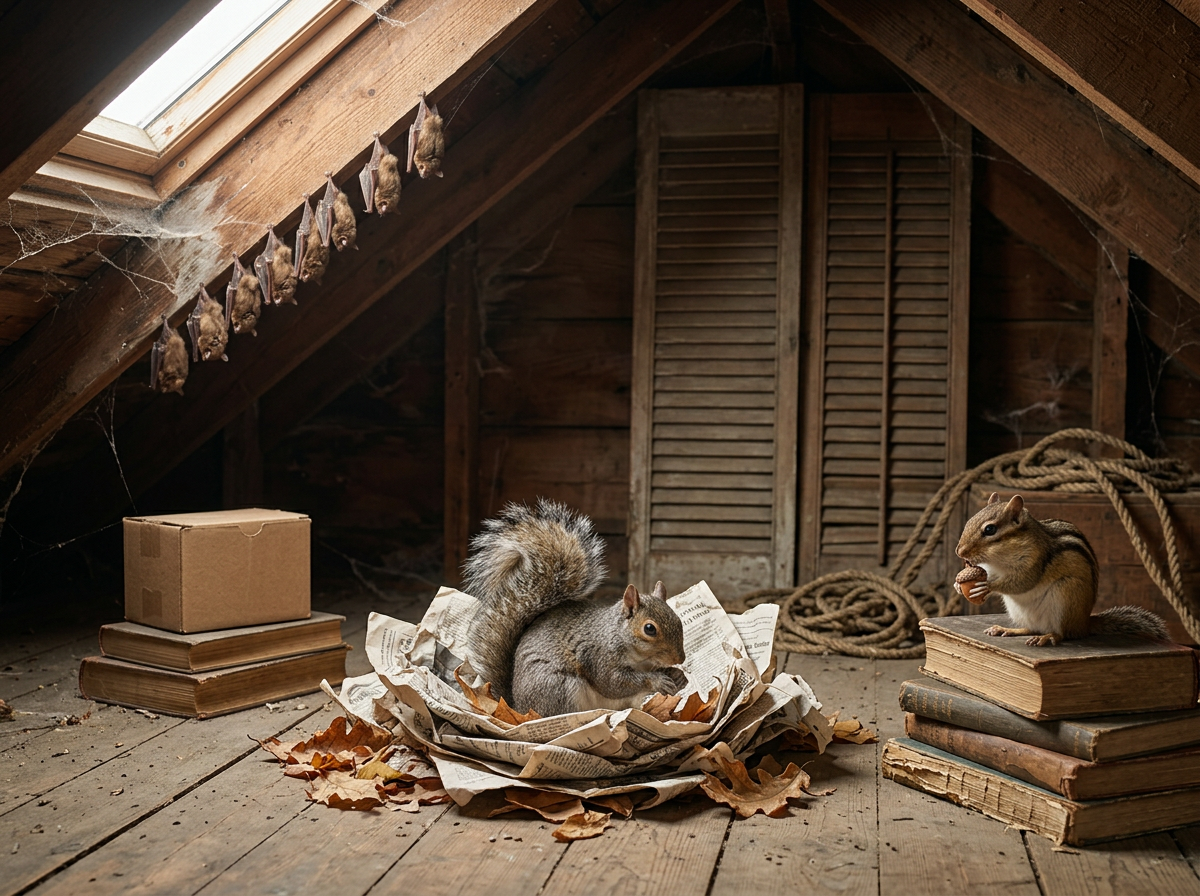
As September arrives in the Hudson Valley, early autumn atmospheric shifts change the behavioral patterns of local wildlife. Average daytime high temperatures in lower New York settle near 73°F, while evening temperatures drop sharply to an average low of 52°F. This consistent late-summer cooling serves as a clear biological signal for wild animals: winter is coming, and secure shelter must be established immediately.
For homeowners near Poughkeepsie and Monroe, September marks the beginning of peak wildlife invasion season. Bats, chipmunks, and squirrels begin actively scouting home perimeters, searching for subtle structural gaps in rooflines, soffits, and foundation walls. Securing your attic and crawlspace during this transitional month prevents costly structural damage, hazardous electrical chew marks, and indoor sanitation issues before cold weather sets in.
Early Autumn Cooling and Wildlife Harborage Behaviors
September's shifting climate drives small mammals and flying wildlife to seek thermal refuge inside climate-controlled structures. Residential properties situated near wooded corridors along Route 9 and I-87 experience heavy wildlife pressure as animals transition from outdoor summer feeding grounds to autumn nesting sites near homes in Newburgh and Goshen.
The September Temperature Drop as a Biological Trigger
Cool autumn nights cause rooflines and attic vents to radiate trapped indoor heat into the surrounding air. Wildlife species detect these thermal plumes from a distance, following warm air currents directly to vulnerable entry points on suburban homes across lower New York.
Environmental triggers accelerating fall wildlife harborage activity include:
Dropping nighttime temperatures that push wild animals toward warm building envelopes.
Shorter daylight hours that stimulate intense autumn food caching and nest building.
Maturing juvenile wildlife populations seeking independent winter territory away from parent dens.
Seasonal acorn and mast drops near property perimeters that draw wildlife close to home foundations.
Rooflines, Soffits, and Foundation Access Points
Wild animals take advantage of minor structural vulnerabilities that develop naturally over time. High winds and summer heat cause fascia boards to warp, roof shingles to lift, and foundation sealant to crack, creating ideal entry pathways for opportunistic invaders near Hyde Park and Chester.
Primary structural zones targeted by fall wildlife invaders include:
Unscreened attic gable vents, ridge vents, and soffit intake panels along upper rooflines.
Gaps beneath warping rake boards and rotted fascia trim near gutter corner joints.
Openings around plumbing stacks, HVAC lines, and electrical conduit penetrations.
Void spaces beneath low-clearance wooden decks, porch steps, and crawlspace hatches.
Pest of the Month
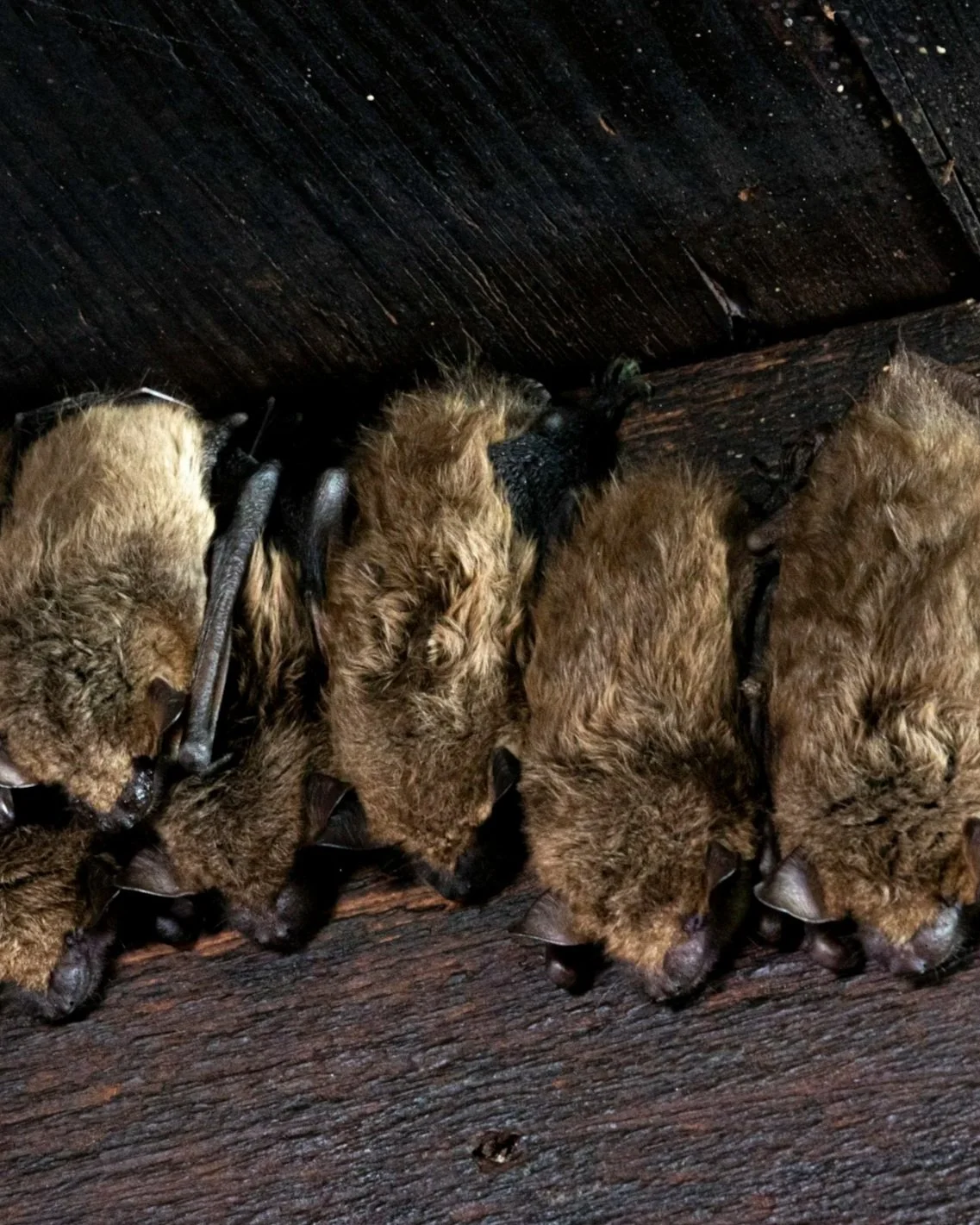
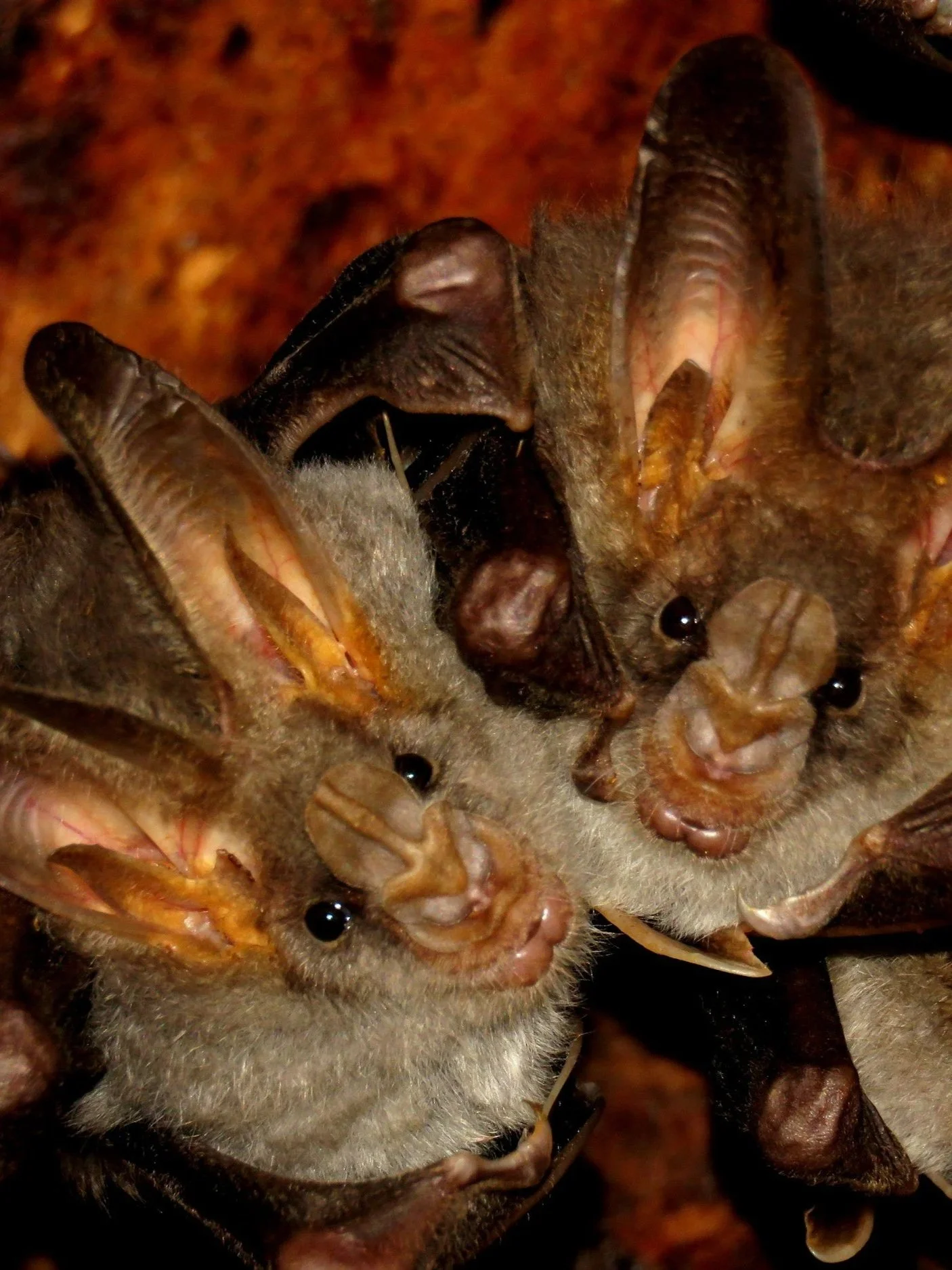
The Little Brown Bat (Myotis lucifugus)
The Little Brown Bat measures just 3 to 4 inches in body length with a 9-to-11-inch wingspan, these nocturnal mammals play a crucial role in managing outdoor insect populations during summer but present severe risks when roosting inside human structures.
The Little Brown Bat
Roosting Habits and Entry Capabilities
In September, bats prepare for winter hibernation by seeking stable microclimates inside attic spaces, wall voids, and chimney flues near Warwick and Wappingers Falls. Little Brown Bats possess exceptional flexibility, enabling them to squeeze through gaps as small as 3/8 of an inch—roughly the width of a standard pinky finger. Once inside, large maternity colonies or bachelor groups settle into dark, undisturbed attic insulation layers. The Little Brown Bat is one of the most common flying mammals seeking winter roosts across Orange County, Dutchess County, and Rockland County.
Associated Hazards and Structural Impacts
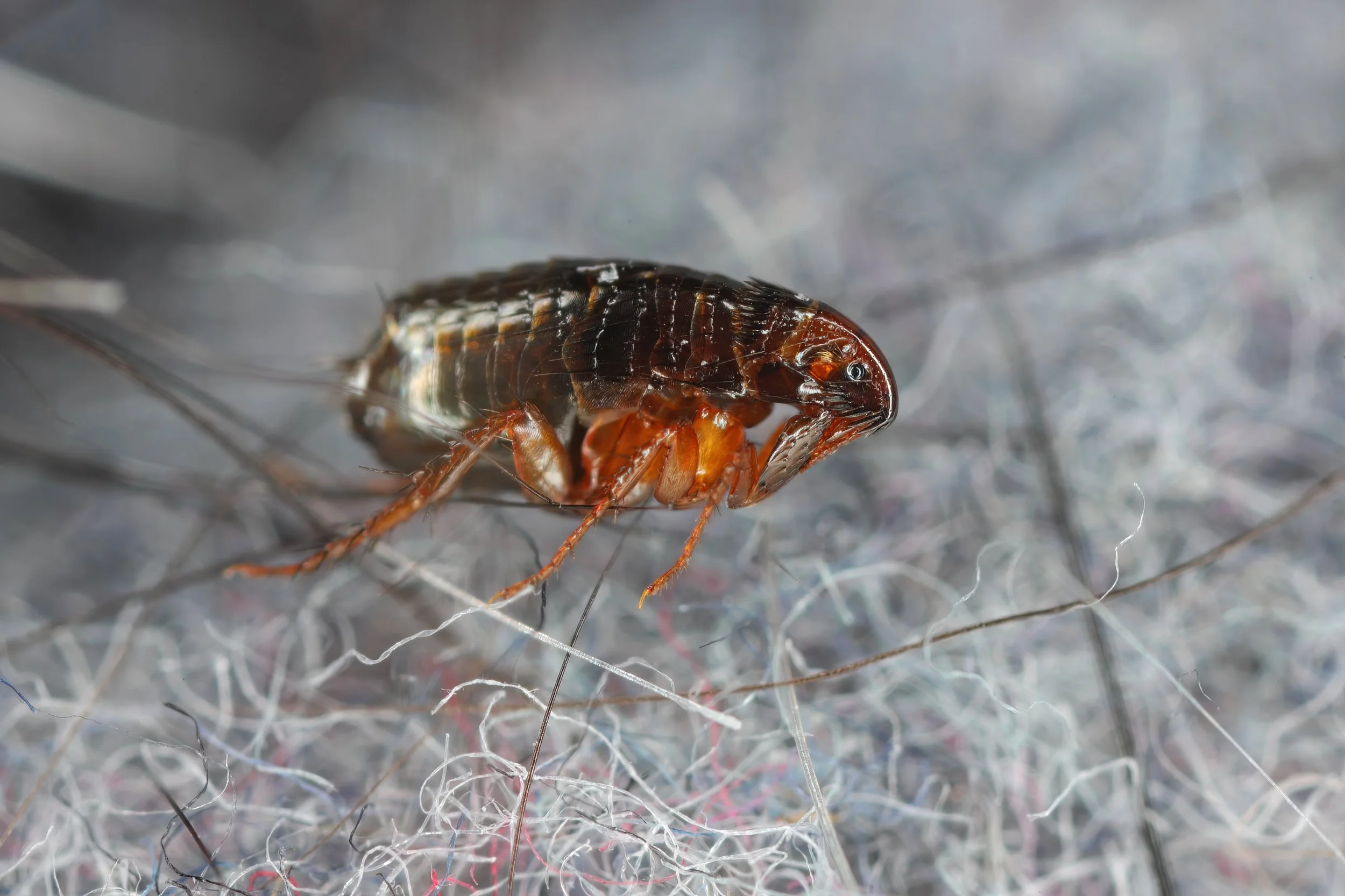
Accumulations of bat droppings, known as guano, pose significant health hazards. Guano harbors microscopic fungal spores (Histoplasma capsulatum) that cause Histoplasmosis, a serious airborne respiratory infection in humans. Furthermore, heavy guano deposits saturate ceiling drywall, ruin fiberglass insulation, and attract secondary parasites such as bat bugs and Dermestid carpet beetles into living areas.
Identifying and Preventing Squirrel Invasions
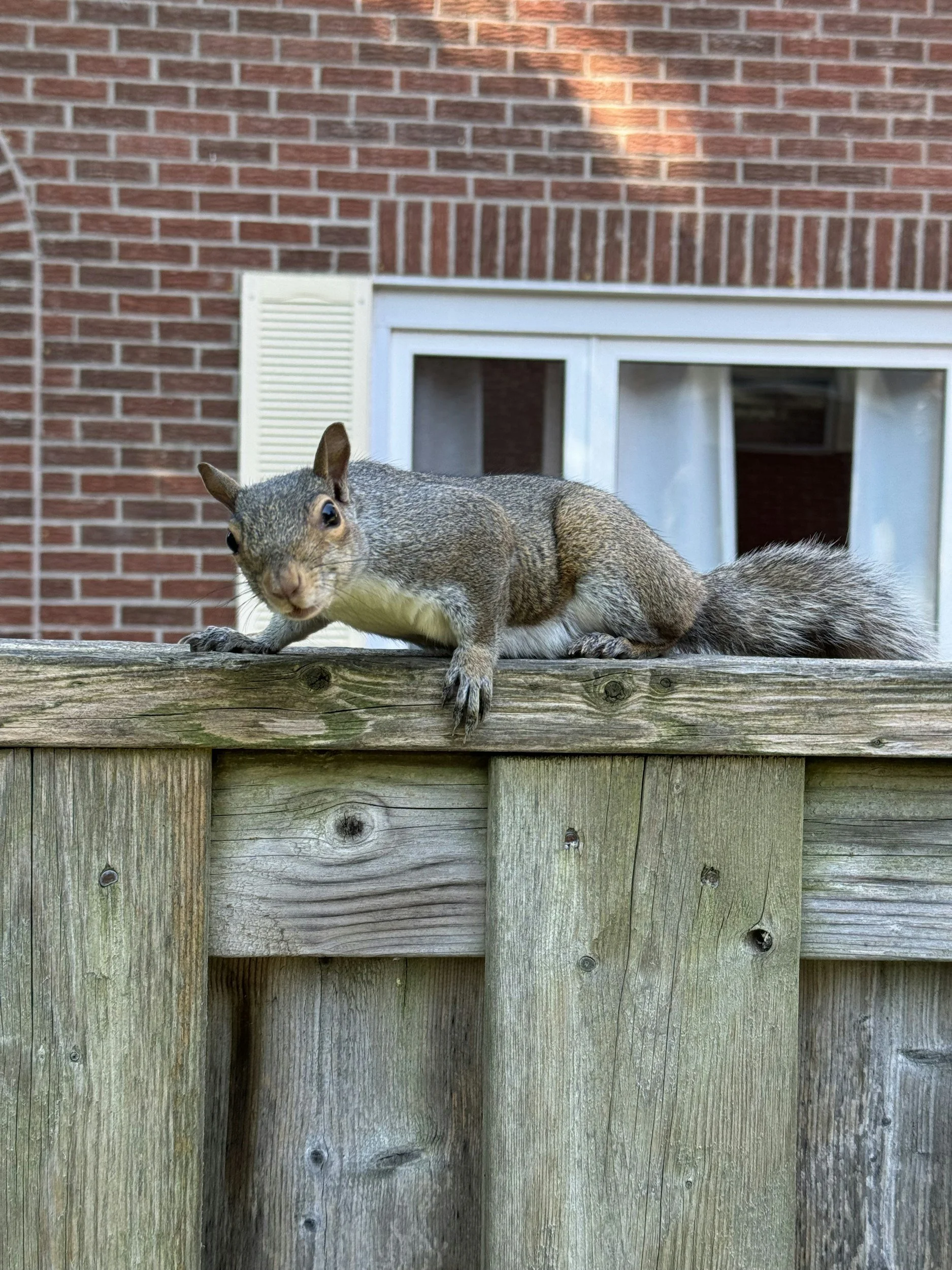
Gray squirrels (Sciurus carolinensis) and southern flying squirrels (Glaucomys volans) are highly destructive attic invaders. Driven by an instinctive urge to hoard nuts and build winter nests, these agile rodents view suburban rooflines near Beacon and Nanuet as elevated, predator-free fortresses.
Recognizing Squirrel Activity Signs
Detecting a squirrel infestation early prevents extensive structural damage to upper building envelopes and interior wiring networks.
Key indicators of active squirrel entry include:
Daytime scampering, jumping, or scratching noises emanating from ceilings and upper wall voids.
Visually damaged soffit boards, chewed wooden fascia trim, or displaced gutter guards.
Shredded fiberglass insulation gathered near attic access hatches and eaves.
Scattered acorn shells, walnuts, or pine cone debris accumulated inside storage spaces.
Professional Squirrel Exclusion Strategies
Squirrels possess strong, continuously growing incisors capable of chewing through wood, aluminum trim, and vinyl siding. Effective exclusion requires durable, chew-proof physical barriers combined with habitat modification around property perimeters near Suffern and New City.
Essential steps for comprehensive squirrel exclusion include:
Trimming overhanging tree branches back at least 6 to 10 feet from rooflines to sever jump paths.
Installing heavy-gauge, hot-dipped galvanized steel mesh over attic vents and chimney tops.
Sealing structural roof gaps with custom-formed aluminum flashing and industrial sealant.
Utilizing specialized one-way exit doors to allow trapped squirrels to leave safely without returning.
Managing Chipmunks: Foundation Protection and Burrow Control
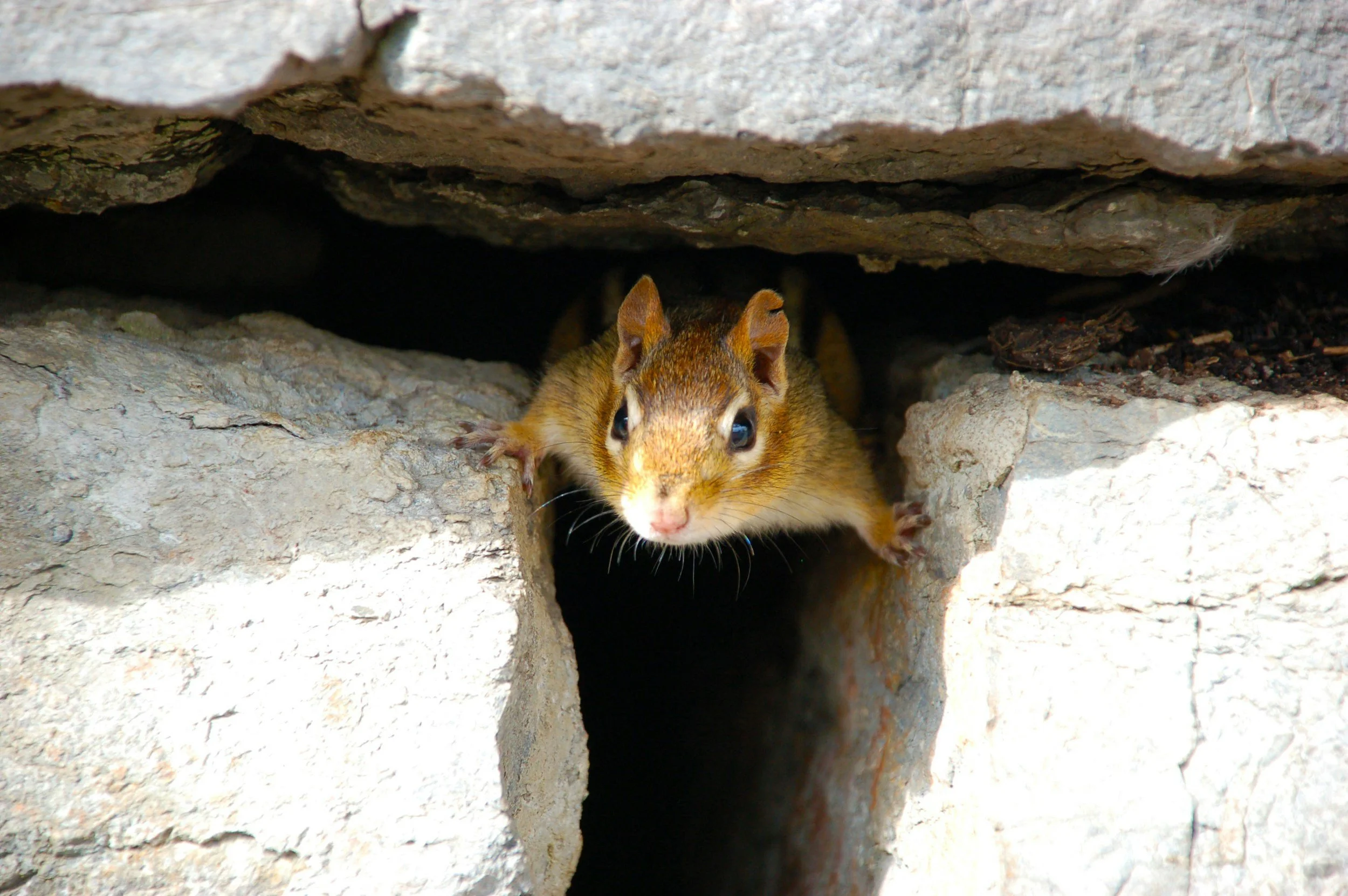
While squirrels dominate upper rooflines, Eastern Chipmunks (Tamias striatus) target ground-level structural zones. These small, striped rodents spend September excavating complex underground burrow systems to store food seeds and hibernate through lower NY's harsh winter months.
Ground-Level Structural Threats
Chipmunks frequently dig burrows directly alongside home foundations, concrete walkways, retaining walls, and patio slabs near Highland and Plattekill. Their subterranean tunnels can extend over 30 feet in length, causing soil erosion, water channeling toward basements, and structural settling under porch steps.
Prevent subterranean chipmunk damage by addressing ground-level vulnerabilities:
Inspect foundation perimeter walls for entry holes measuring 2 inches in diameter.
Fill active burrow entrances near concrete slabs with coarse gravel capped with soil.
Install hardware cloth barriers buried 12 inches deep along garden shed perimeters.
Keep bird feeders positioned away from home foundations to minimize fallen seed attractants.
Did You Know?
A single Little Brown Bat can consume up to 1,000 mosquito-sized insects per hour during summer nights, but an attic bat roost can accumulate several pounds of corrosive guano in just a few short weeks!
Comprehensive Fall Wildlife Control Programs
Controlling ground-level rodents requires an integrated approach that combines exclusion, harbor reduction, and professional monitoring. Preventing chipmunks from establishing deep burrows near foundation footings protects your home's structural stability before winter freeze-thaw cycles begin.
Effective fall ground-rodent management relies on targeted remediation tactics:
Custom mesh installation around low-lying deck framing and crawlspace vent openings.
Placement of tamper-resistant exterior monitoring stations to control heavy rodent pressures.
Removal of brush piles, stone wall gaps, and dense groundcover near exterior walls.
Application of long-lasting exclusion seals around basement utility pipe penetrations.
Professional Wildlife Exclusion and Remediation Services
Managing autumn wildlife invasions demands specialized safety equipment, structural expertise, and knowledge of state wildlife regulations. Attempting DIY bat or squirrel removal often results in trapping animals inside wall voids, causing severe odor issues and increased structural damage.
Hollenbeck Pest Control provides comprehensive residential wildlife exclusion programs tailored for Hudson Valley homes.
Our licensed specialists conduct thorough roof-to-foundation inspections, install legal one-way exclusion devices, perform permanent chew-proof repairs, and carry out complete attic sanitation to keep your property safe, clean, and wildlife-free.


For homeowners, September marks the beginning of peak wildlife invasion season. Bats, chipmunks, and squirrels begin actively scouting home perimeters…