
Flea and Mite Defense: Protecting Your Hudson Valley Home and Pets
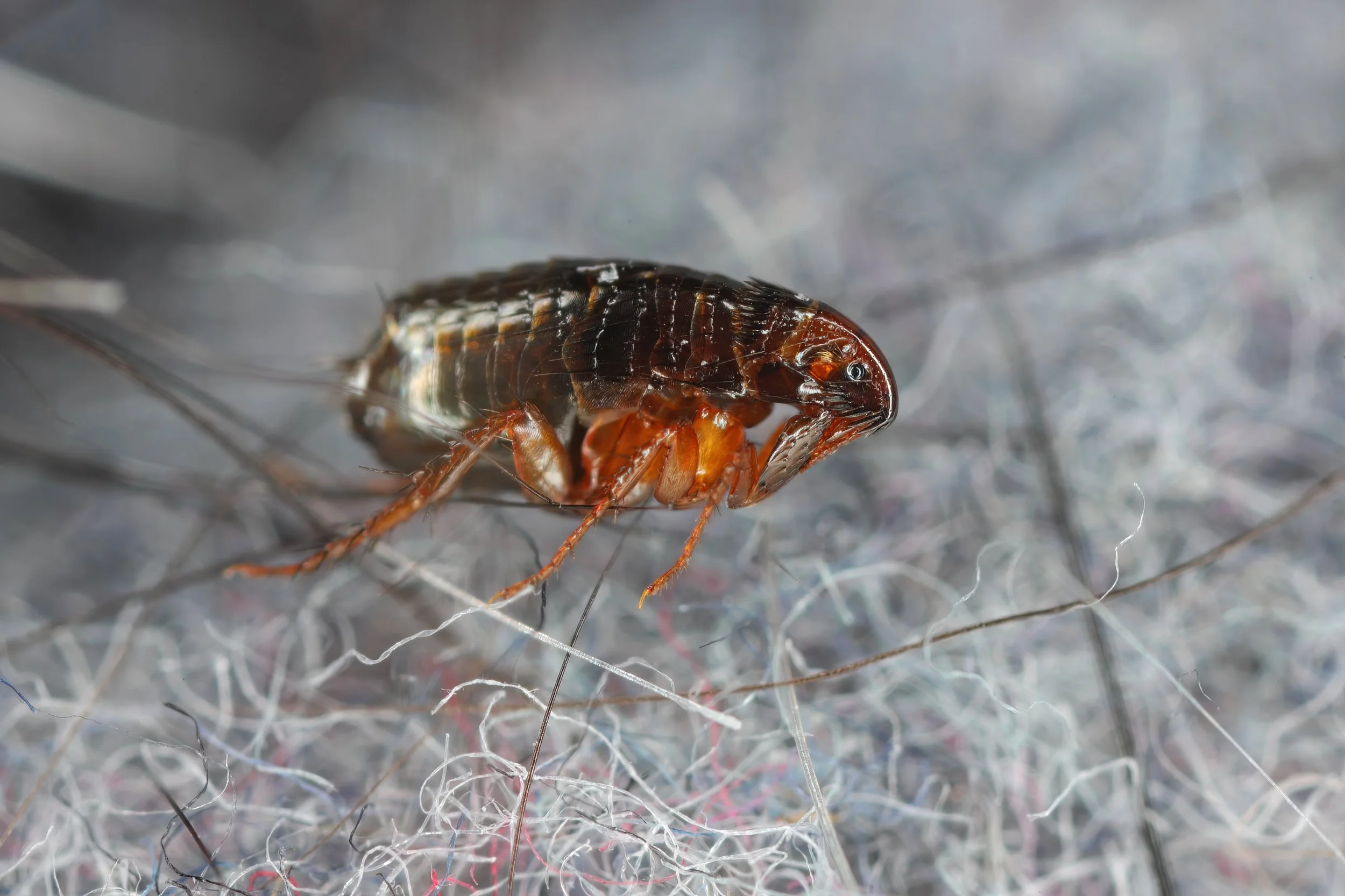
August brings the sultry peak of late summer across lower New York, marked by humid afternoons, evening patio gatherings, and active family pets exploring suburban backyards. However, these identical environmental conditions also trigger a dramatic uptick in biting microscopic parasites. Across the Hudson Valley, August represents the absolute annual peak for indoor flea infestations and opportunistic mite invasions.
Understanding how late-summer heat indexes drive parasite reproduction is key to safeguarding your household. When left unmanaged, a few stray parasites brought inside on a dog's collar or a stray shoe can rapidly transform into an out-of-control infestation embedded deep within your carpets, furniture, and living spaces.
The August Heat Surge and Parasite Life Cycles
Late-summer weather patterns create prime conditions for rapid parasite reproduction. In lower New York, August features average daytime high temperatures of 82°F alongside elevated relative humidity levels that frequently climb past 75%. For cold-blooded pests like cat fleas (Ctenocephalides felis) and microscopic mites, this climatic combination acts as a biological catalyst.
How Late-Summer Weather Drives Flea Surges
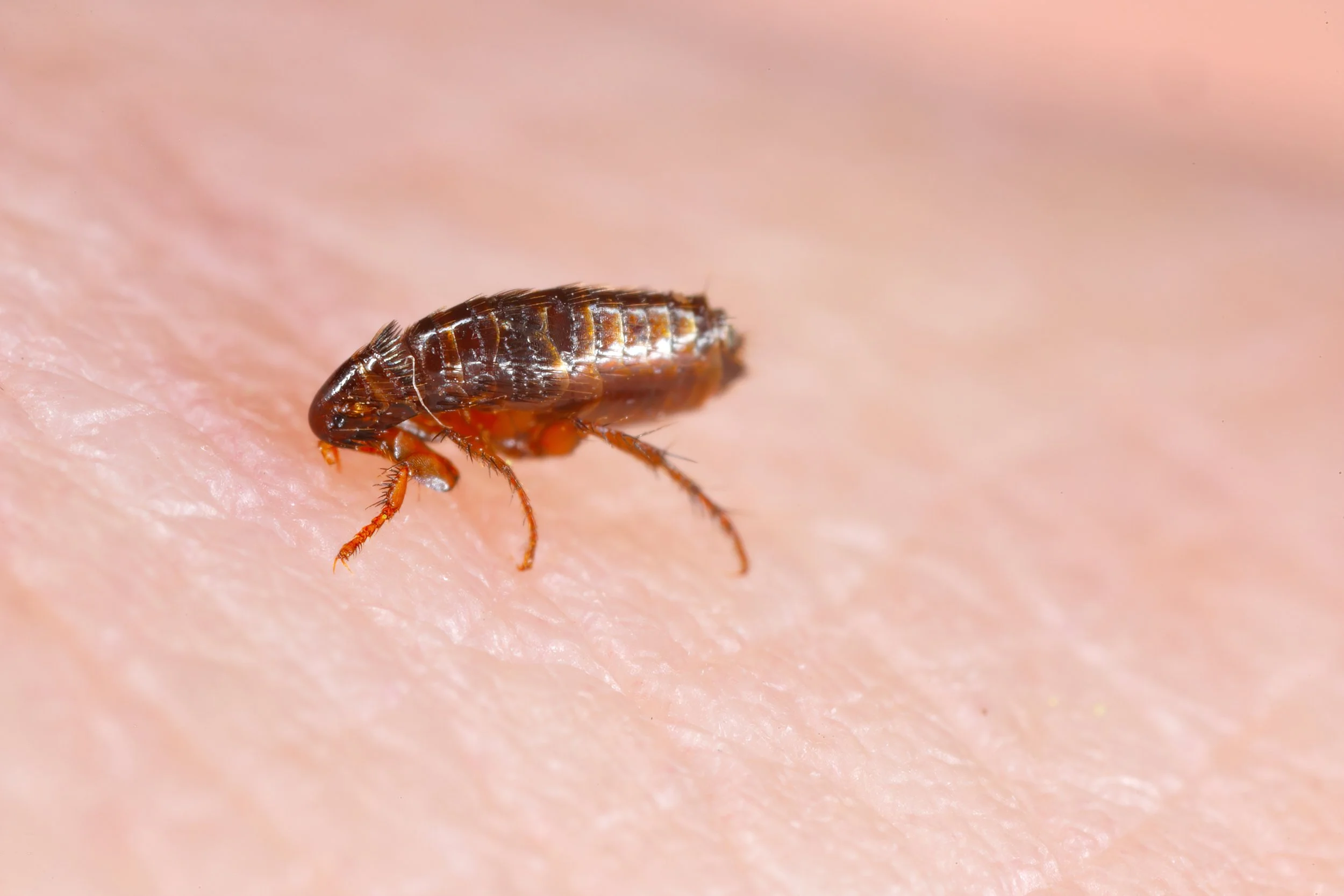
While cold spring weather slows flea egg development to a crawl, August heat speeds up the transition from egg to biting adult. Properties located near wooded corridors along the Taconic State Parkway and Route 9 experience elevated outdoor flea pressure as local wildlife populations carry parasites directly to suburban property lines near homes in Poughkeepsie and Hopewell Junction.
Flea populations explode rapidly during August due to specific weather and environmental triggers:
Daily temperatures near 82°F shorten the total flea egg hatching timeline to under 72 hours.
High indoor relative humidity prevents delicate flea larvae from drying out inside carpet fibers.
Frequent summer pet activity creates continuous opportunities for adult fleas to find blood meals.
Shady, humid outdoor spots under deck structures and shrubs serve as ideal egg-drop zones.
Microscopic Mites and Avian/Rodent Nesting
August also marks the period when wild birds abandon summer nests tucked under home eaves, while rodents begin shifting their movements around structures near Monroe and Wappingers Falls. When host animals depart, thousands of left-behind bird mites (Orononyssus sylviarum) or rodent mites migrate out of attic voids, chimney flues, and wall cavities directly into human living quarters in search of new hosts.
Microscopic mite invasions typically stem from distinct late-summer structural vulnerabilities:
Abandoned bird nests in soffits and gutter lines release starving mites into upper-story bedrooms.
Subterranean rodent burrows near foundations force mites upward into basement recreation rooms.
High indoor humidity allows migrating mites to survive for days while searching for hosts.
Window sills and air conditioning units serve as primary entry points for migrating outdoor mites.
Identifying and Eliminating Indoor Flea Hotspots
Stopping a flea outbreak requires targeting every stage of the parasite's multi-stage life cycle. Adult fleas remain on host animals, while eggs, larvae, and pupae accumulate wherever pets sleep, rest, or walk throughout homes near Nanuet and Highland.
Essential Home Inspection Checklist
Locating where flea eggs and larvae congregate allows homeowners to direct their cleaning efforts effectively before professional treatments are applied.
Inspect these primary indoor harborage zones during your weekly cleaning routine:
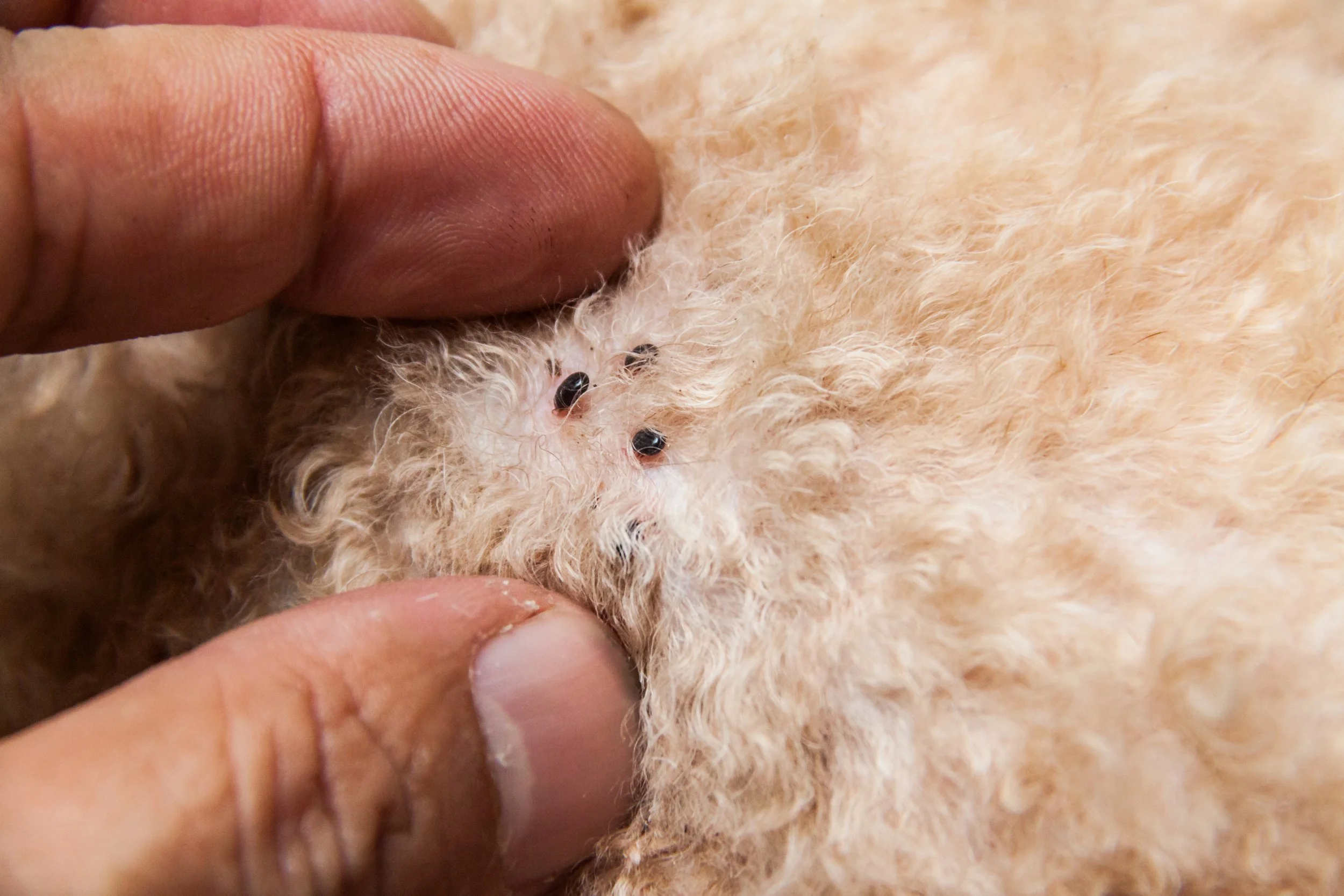
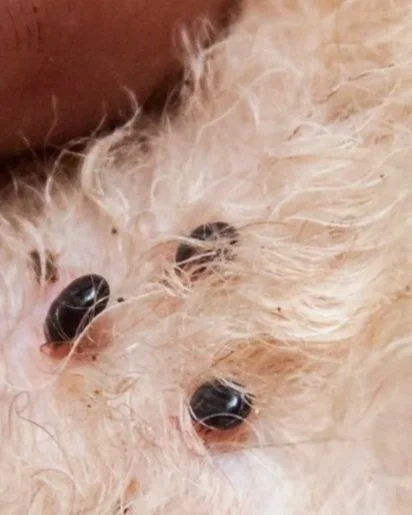
Check pet bedding and favorite sleeping spots for telltale "flea dirt" (reddish-black specks).
Examine deep carpet pile and rug padding under sofa cushions where pets frequently rest.
Inspect hardwood floor gaps and baseboard cracks where organic debris collects.
Look under low-clearance furniture pieces where shedding pet hair gathers undisturbed.
Breaking the Flea Reproduction Cycle
Achieving complete flea elimination requires combining rigorous home sanitation with advanced professional controls. Standard retail foggers often fail because they cannot penetrate deep carpet fibers where pupae hibernate inside protective silk cocoons.
Effective long-term flea eradication relies on a multi-step integrated management approach:
Vacuum all carpeted areas, rugs, and upholstered furniture thoroughly to stimulate dormant pupae.
Wash all pet bedding, throw rugs, and soft blankets in hot water above 140°F weekly.
Apply micro-encapsulated adulticides combined with Insect Growth Regulators (IGRs) across floor surfaces.
Maintain veterinarian-approved topical or oral flea preventatives for all household pets continuously.
Did You Know?
Adult fleas account for only 5% of a total indoor infestation! The remaining 95% exists invisibly inside your home as eggs, wriggling larvae, and dormant pupae tucked deep inside carpet fibers and floor cracks.
Managing Mite Invasions: Source Removal and Environmental Controls
Mite infestations require a different tactical approach than fleas. Because mites often originate from wild animal nests within structural voids near Fishkill and Beacon, pinpointing and removing the host source is the crucial first step.
Mite Source Identification and Exclusion
When family members experience mysterious, microscopic pinprick bites or crawling sensations without seeing visible insects, bird or rodent mites are frequently the hidden culprit.
Eliminate structural mite sources by systematically addressing outdoor animal activity:
Remove abandoned bird nests from gutters, eaves, shutters, and window air conditioning units.
Seal structural gaps, attic vents, and soffit openings to prevent wild birds from nesting.
Implement professional rodent exclusion around foundation walls and crawlspace entry points.
Trim overhanging tree branches away from rooflines to eliminate animal access pathways.
Professional Interior Mite Remediation
Once host nests are removed from attics or wall cavities near Middletown or Kingston, starving mites disperse rapidly. Professional perimeter treatments and localized void applications eliminate migrating mites before they establish a presence inside living areas, bedrooms, and home offices.
Professional mite control treatments provide comprehensive indoor protection:
Target application of fine botanical dusts inside wall voids where wild animal nests once rested.
Surface-applied residual treatments around window frames, baseboards, and ceiling moldings.
Humidity reduction recommendations to create dry indoor air that accelerates mite desiccation.
Follow-up inspections to verify that wild animal vectors have been permanently excluded.
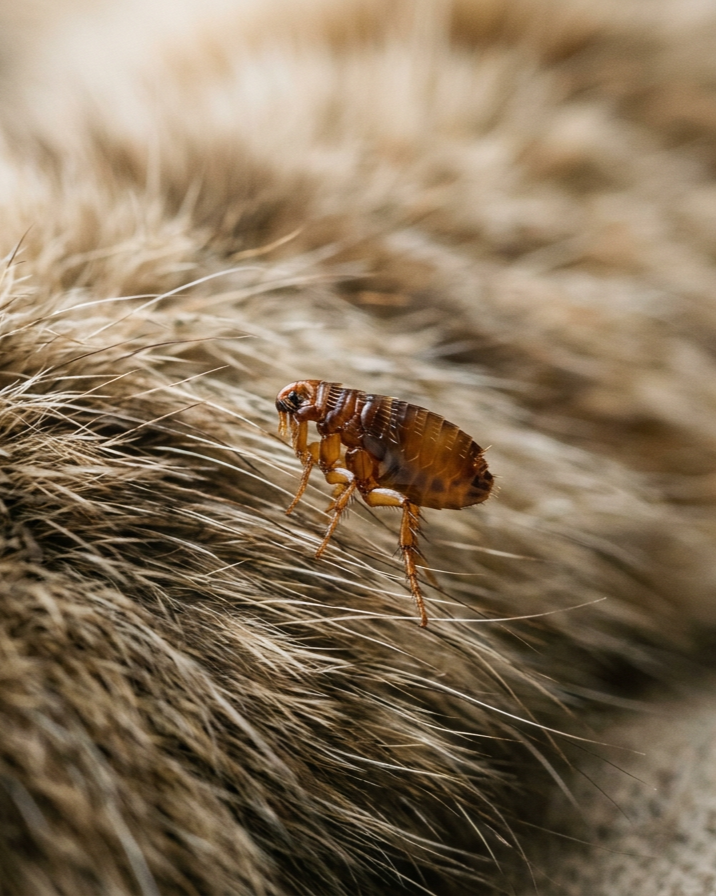
Pest of the Month
The Cat Flea (Ctenocephalides felis)
Despite its common name, the cat flea is the primary biting flea species found on both domestic dogs and cats across Orange County, Dutchess County, and Rockland County. These wingless, laterally flattened insects are built specifically to navigate smoothly through dense animal fur and carpet pile.
Biting Habits and Physical Capabilities
Adult fleas possess powerful hind legs capable of propelling them up to 8 inches vertically and over a foot horizontally. Once aboard a host, an adult flea begins feeding within minutes. A single female flea can consume up to 15 times her body weight in blood daily while laying up to 50 eggs per day, which fall off the animal onto rugs, pet beds, and hardwood floor gaps near Goshen or Newburgh.
Associated Health Risks and Home Damage
Flea bites cause intense allergic dermatitis in sensitive pets, leading to hair loss, severe skin infections, and discomfort. Furthermore, fleas serve as intermediate hosts for tapeworms and can transmit flea-borne typhus to humans. In heavy infestations, immature flea larvae burrow deep into rug padding and baseboards, where standard household vacuuming alone cannot reach them.
Complete Year-Round Protection for Hudson Valley Households
Conquering late-summer parasite outbreaks demands more than temporary surface fixes. Effective protection requires deep biological knowledge, specialized application equipment, and high-performance treatment materials designed to withstand lower New York's humid summer weather.
Hollenbeck Pest Control delivers comprehensive residential pest defense programs tailored specifically for Hudson Valley homes. Our licensed specialists identify hidden parasite harborage zones, treat interior living spaces safely, and establish durable exterior barriers that keep biting pests away from your family and pets all year long.
Late-Summer Flea and Mite Control FAQ: Frequently Asked Questions
Pest/Service FAQ: Identification & Biological Hazards
Q: Why do cat flea and microscopic mite populations surge so dramatically during August in lower New York?
A: Late-summer temperatures averaging 82°F combined with high humidity accelerate parasite egg development, creating rapid population surges across residential homes near Poughkeepsie and surrounding Hudson Valley communities.
In August, flea eggs hatch in under 72 hours, while migrating wild host animals abandon seasonal nests near Taconic State Parkway, driving thousands of hungry bird and rodent mites directly into indoor living spaces.
Q: How can I tell whether biting pests in my home are coming from pets or wild animal nests in my attic?
A: Pet fleas concentrate in carpets, floor gaps, and pet bedding, whereas microscopic mites typically originate near attic voids, chimneys, window air conditioners, and soffits after wild hosts depart.
If family members experience mysterious pinprick bites without visible insects in upper-story bedrooms near Beacon, migrating bird or rodent mites are often the culprit rather than standard cat fleas.
Q: How quickly can a technician inspect my property near Nanuet for active Late-Summer Flea and Mite Control?
A: Hollenbeck Pest Control provides rapid, same-day or next-day inspection appointments for residential property owners experiencing active flea or mite outbreaks near Nanuet and Rockland County.
Our licensed specialists perform immediate thorough inspections of interior harborage zones, carpet pile, subflooring, and structural entry points along Route 9W to pinpoint exact infestation sources quickly.
Pest/Service FAQ: Treatment Protocols & Safety
Q: Are Late-Summer Flea and Mite Control treatments safe for children and pets in Orange County?
A: Yes, Hollenbeck Pest Control utilizes EPA-registered, eco-friendly, and pet-responsible formulations applied specifically to targeted areas, ensuring full safety once liquid applications have thoroughly dried.
We provide clear post-treatment guidance for families near Goshen and across Orange County, requiring brief vacancy periods during application to guarantee maximum safety for children and pets.
Q: Do I need to leave my property during a Late-Summer Flea and Mite Control application near Middletown?
A: Homeowners are typically required to leave the premises for two to four hours during interior liquid parasite treatments to allow specialized products to dry completely.
Our technicians servicing properties near Middletown provide explicit safety instructions prior to application, ensuring carpet treatments, micro-encapsulated adulticides, and insect growth regulators settle properly without exposure.
Q: Why are standard over-the-counter foggers usually ineffective against persistent indoor flea infestations?
A: Total release foggers only reach exposed surfaces and fail to penetrate deep carpet fibers, baseboard gaps, or silk pupal cocoons where 95% of parasites hide.
DIY aerosol bombs often scatter adult pests deeper into wall voids without affecting protected flea pupae or hidden mite harborages inside homes near Monroe.
Q: What specific treatment techniques does Hollenbeck Pest Control use to break the multi-stage flea life cycle?
A: We combine micro-encapsulated residual adulticides with advanced Insect Growth Regulators to eliminate adult fleas while halting egg hatching and larval development across all floor surfaces.
This comprehensive dual-action approach targets hidden pupae and larvae embedded within carpet padding and floor crevices, delivering long-term control for residential properties throughout Orange County.
Pest/Service FAQ: Prevention & Structural Exclusion
Q: Does Hollenbeck Pest Control service properties along Taconic State Parkway and surrounding areas in Dutchess County?
A: Yes, Hollenbeck Pest Control proudly provides complete flea, mite, and general parasite control services to residential properties along Taconic State Parkway throughout Dutchess County.
Our fully equipped mobile response units regularly travel corridor routes to deliver fast, reliable parasite inspections and treatments to homeowners living near wooded residential neighborhoods.
Q: How can Residential property owners near Rockland County prevent Late-Summer Flea and Mite Control from returning?
A: Prevent recurring infestations by maintaining year-round pet preventative treatments, vacuuming carpets weekly, washing pet bedding in hot water, and sealing exterior entry points.
Homeowners near Rockland County should also trim back overhanging tree limbs and clear wild bird nests from window sills and gutters to block wild host parasite transport pathways.
Q: How does wild bird and rodent exclusion prevent recurring bird mite and rodent mite invasions?
A: Sealing structural entry points and removing abandoned nests cuts off the source of host animals, preventing thousands of starving mites from migrating into living quarters.
When wild birds or rodents leave eaves, soffits, or crawlspaces near Route 9W, mites migrate indoors; professional exclusion ensures wild hosts cannot return to nest in structural voids.
Pest/Service FAQ: Service Costs & Guarantees
Q: How much does professional Late-Summer Flea and Mite Control treatment cost near Poughkeepsie?
A: Professional flea and mite treatment costs near Poughkeepsie vary based on home size and infestation severity, typically ranging from custom quotes after a detailed inspection.
Hollenbeck Pest Control offers transparent pricing and tailored treatment plans for residential clients across Dutchess County, including free estimates and integrated follow-up visits.
Q: What guarantees or follow-up services are included with Hollenbeck Pest Control's parasite remediation plans?
A: Hollenbeck Pest Control backs residential parasite elimination services with a satisfaction guarantee that includes scheduled follow-up inspections and re-treatments if pest activity persists.
Because flea pupae can emerge weeks after initial treatment, our customized service plans ensure continuous protection and complete peace of mind for property owners near Beacon.




For homeowners, September marks the beginning of peak wildlife invasion season. Bats, chipmunks, and squirrels begin actively scouting home perimeters…