
Uncovering Wood-Destroying Pests in Hudson Valley Homes
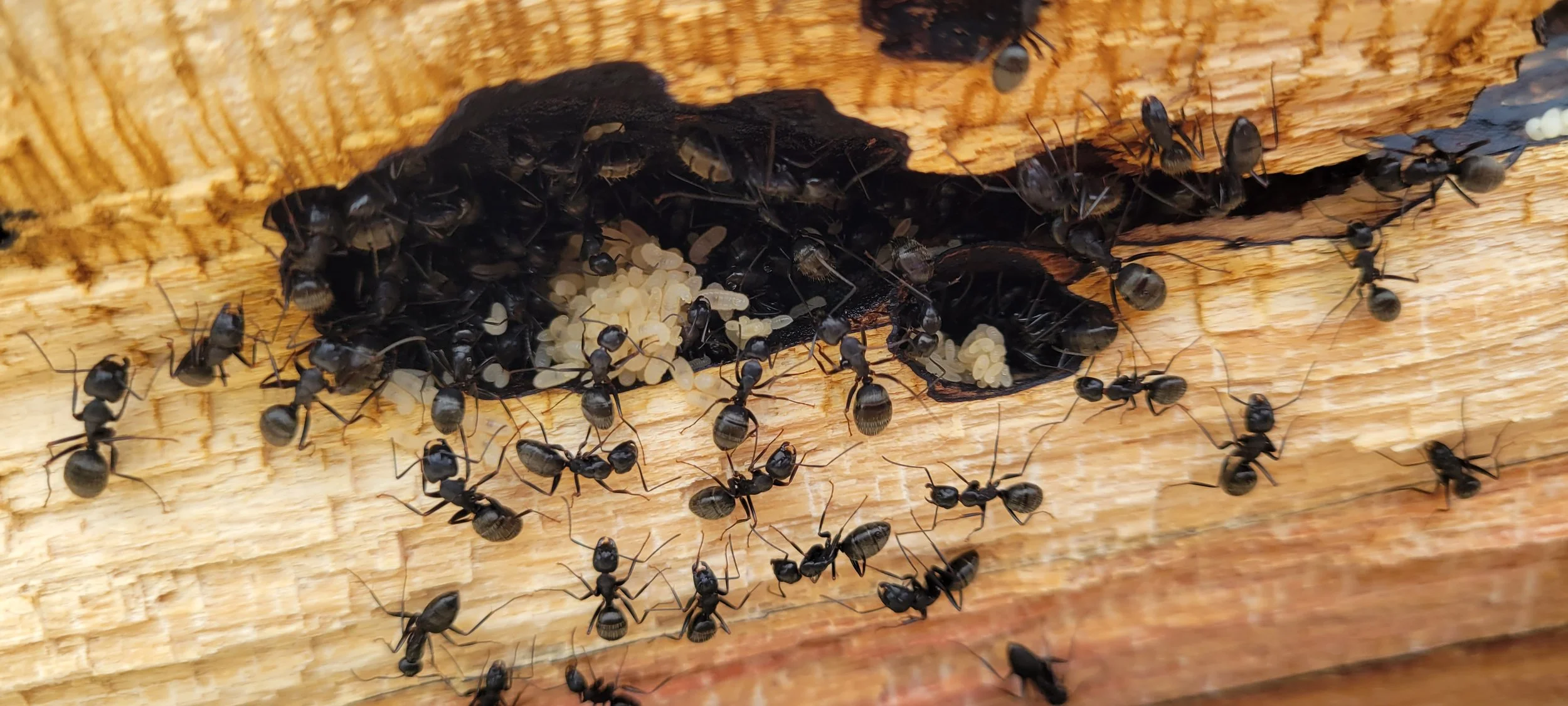
Later in the winter, the Hudson Valley is a state of transition. While the Taconic State Parkway may still be lined with snow, the "false spring" days—when temperatures briefly climb into the 40s—signal a change inside your home’s structure. While you are looking forward to spring, wood-destroying insects like Powderpost Beetles and Carpenter Ants may already be waking up in your floor joists, crawlspaces, and attics.
For homeowners in Orange County, Dutchess County, and Rockland County, February is the critical month to inspect the "bones" of your home. At Hollenbeck Pest Control, we see an influx of calls this time of year from residents in New Paltz and Nyack who have discovered fine, flour-like dust or large, winged ants near their windowsills. These aren't just nuisance pests; they are a direct threat to your home's equity.
Did You Know?
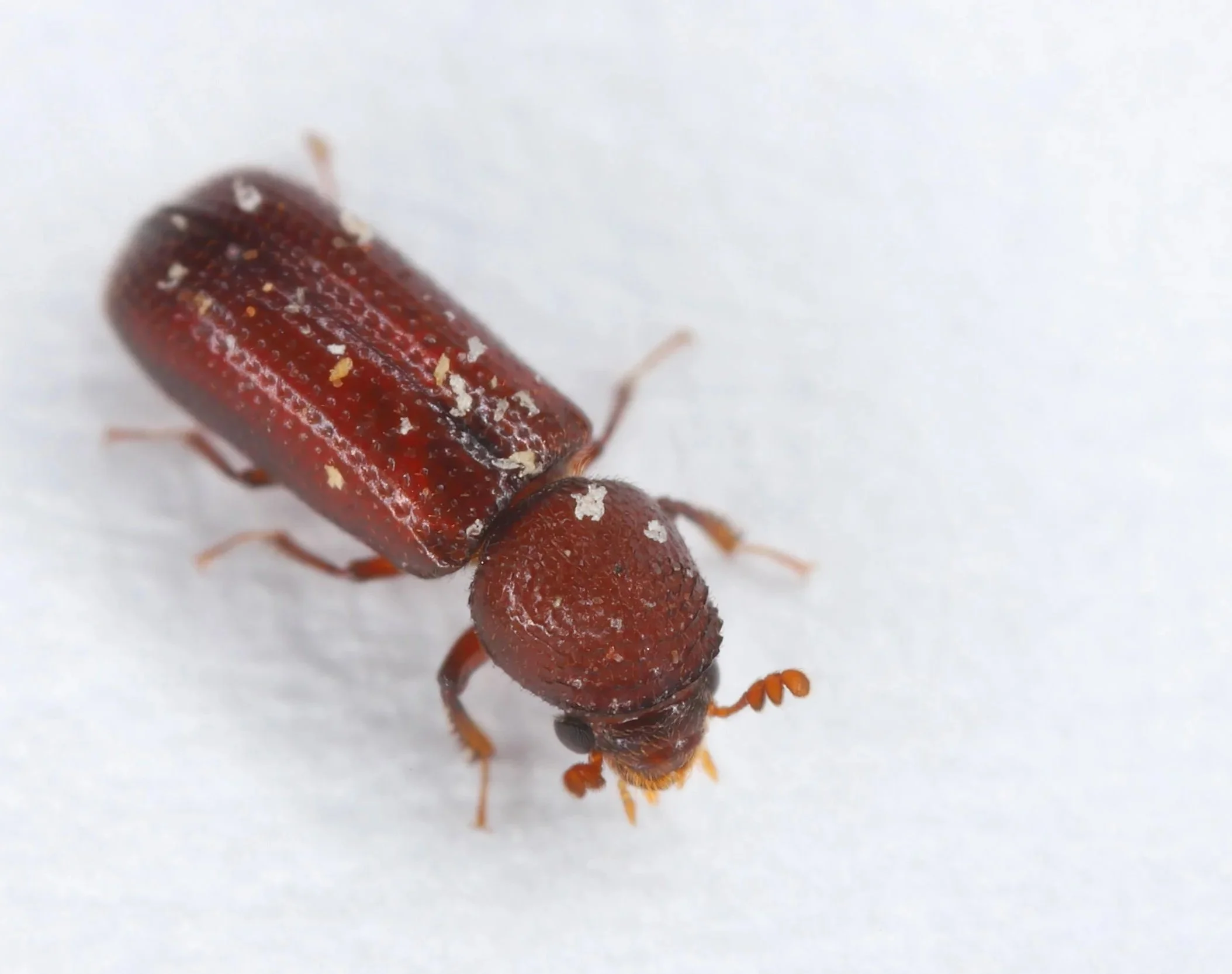
The "Silent" Life Cycle: Powderpost Beetle larvae can live inside a piece of wood for two to five years before they ever emerge as adults. This means the "silent sawdust" you see today in your Orange County or Dutchess County home is actually the result of an infestation that likely started years ago. Regular professional monitoring is the only way to catch these long-term residents before they reach the surface.
Powderpost Beetles and Carpenter Ants are the primary wood-destroying threats for Hudson Valley homes during the February thaw.
Residents in Poughkeepsie and Newburgh should look for "frass" (fine sawdust) or exit holes in structural timber. Professional Integrated Pest Management and year-round service plans are the most effective ways to prevent structural damage and ensure long-term home protection.
Pest of the Month
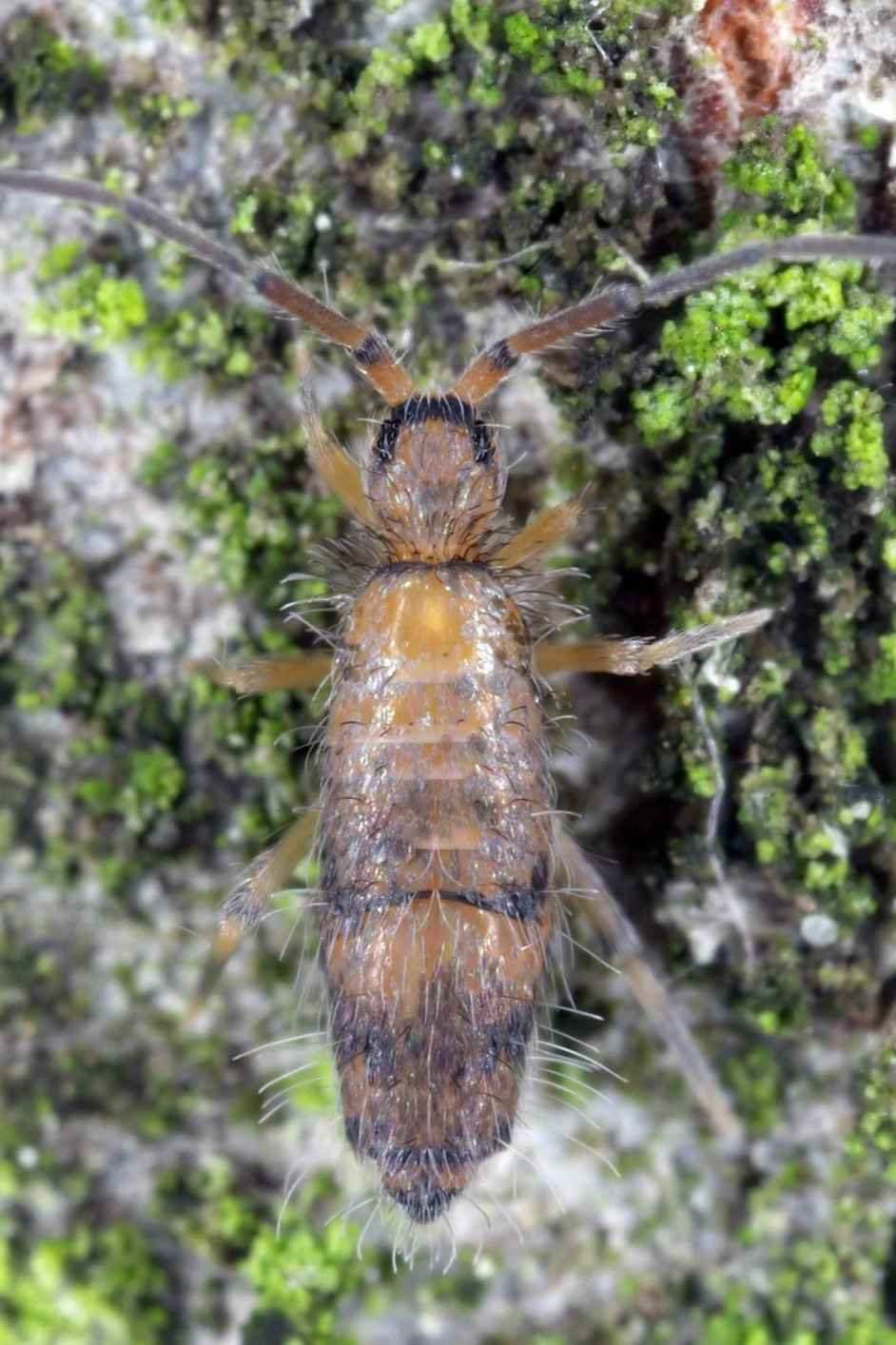
The Springtail (Collembola)
Springtails are unique among Hudson Valley pests. They are not actually insects, but "hexapods" that have existed for hundreds of millions of years. They are named for a fork-like appendage under their abdomen called a furcula, which they use to catapult themselves into the air when disturbed, giving the illusion of jumping like a flea.
In February, the primary driver for Springtail activity is moisture. When the snow melts near your foundation in New City or Stony Point, the sheer volume of water floods their natural habitat in the mulch and soil. To escape drowning, they migrate upward, entering homes through tiny gaps in the foundation, around basement windows, or through floor drains. Once inside, they gravitate toward any source of moisture. It is common for a homeowner in Suffern to wake up and find thousands of them in a bathroom sink or around a leaking pipe in the basement.
Why Hudson Valley Homes Are at Risk
Why One-Time Treatments Aren't Enough
Many homeowners in Wappingers Falls or Middletown make the mistake of treating only the "spot" where they see a pest. However, wood-destroying insects are experts at hiding. A single exit hole for a Powderpost Beetle usually represents a much larger colony deep within the wood. This is why a reactive approach rarely works.
To truly protect a home in the Hudson Valley, you need a proactive, science-based strategy that addresses the environmental factors—like moisture and wood-to-ground contact—that attract these pests in the first place.
The Powderpost Beetle
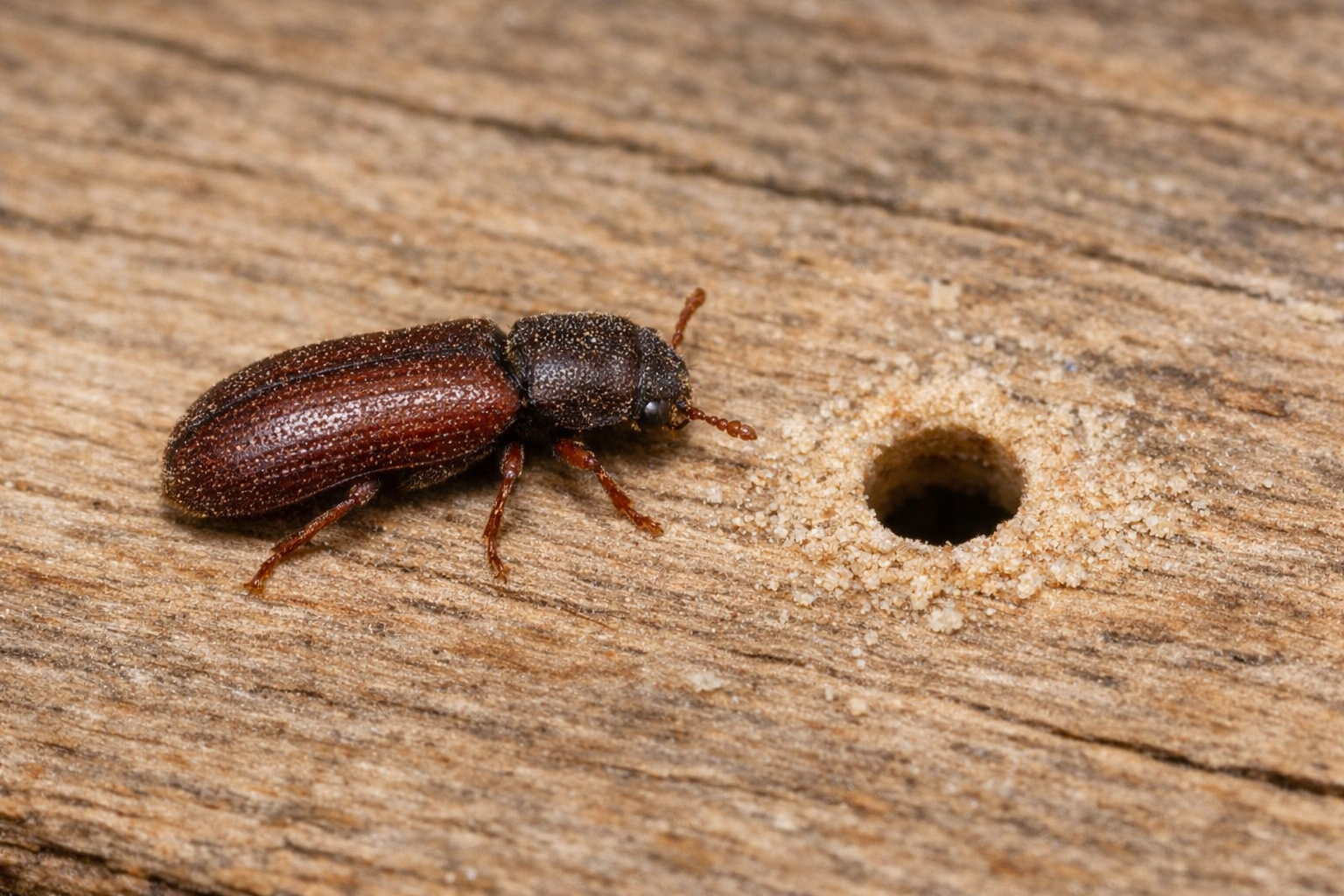
While termites get all the headlines, Powderpost Beetles (Lyctinae) are the second most destructive wood-boring insects in the United States. They earn their name from their ability to reduce seasoned hardwoods into a fine, talc-like powder.
In the Hudson Valley, these beetles are particularly common in older homes with damp basements or crawlspaces. The adult beetles lay their eggs in the pores of unfinished wood. When the larvae hatch, they spend years boring through the timber, eating the starch within. In February, as your home’s heating system keeps the internal wood temperature stable, these larvae may begin their final push toward the surface. Homeowners in Goshen or Warwick often find "shotholes"—tiny, round exit holes about the size of a pinhead—in their flooring, joists, or even antique furniture.
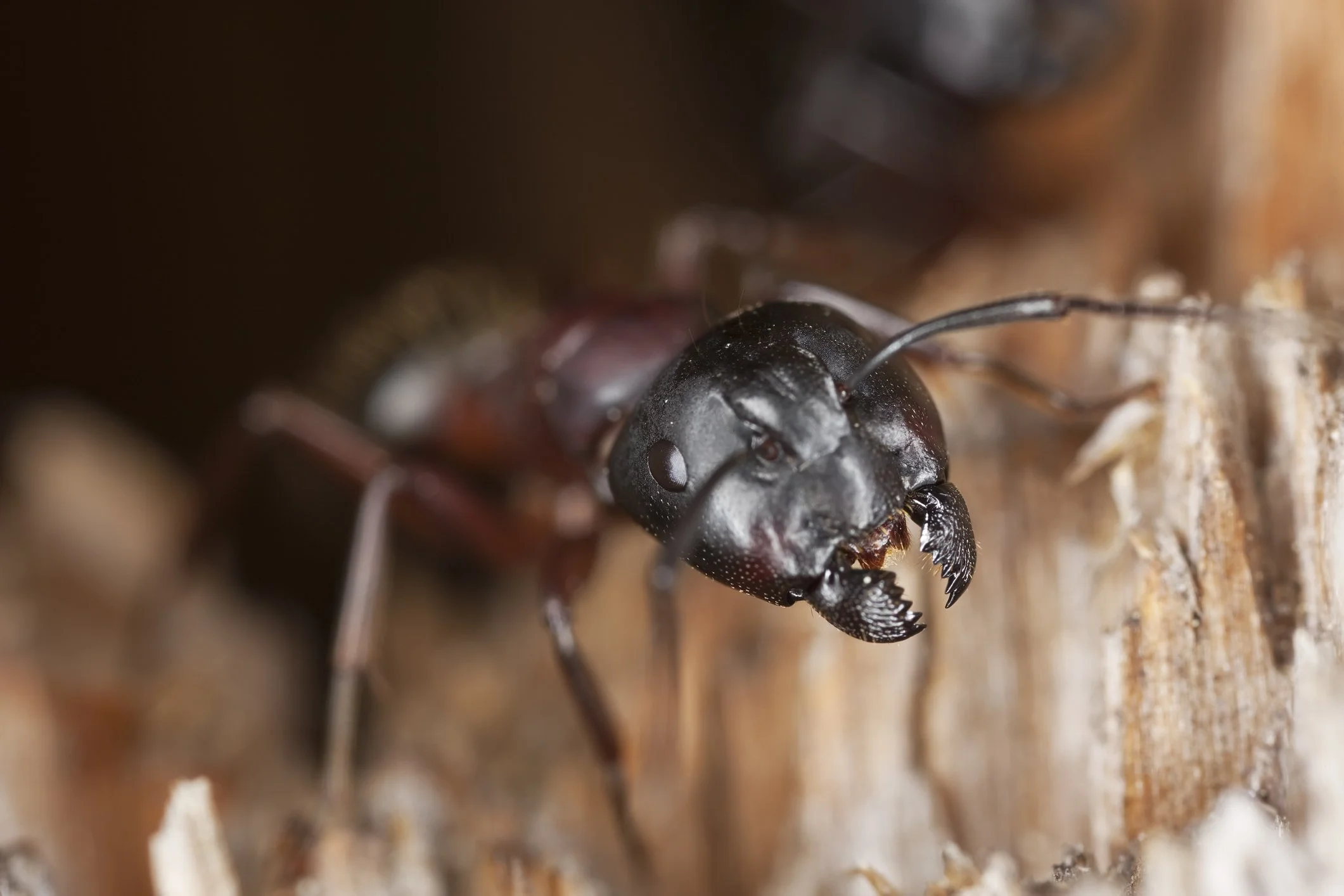
Carpenter Ants: The Early Emergers
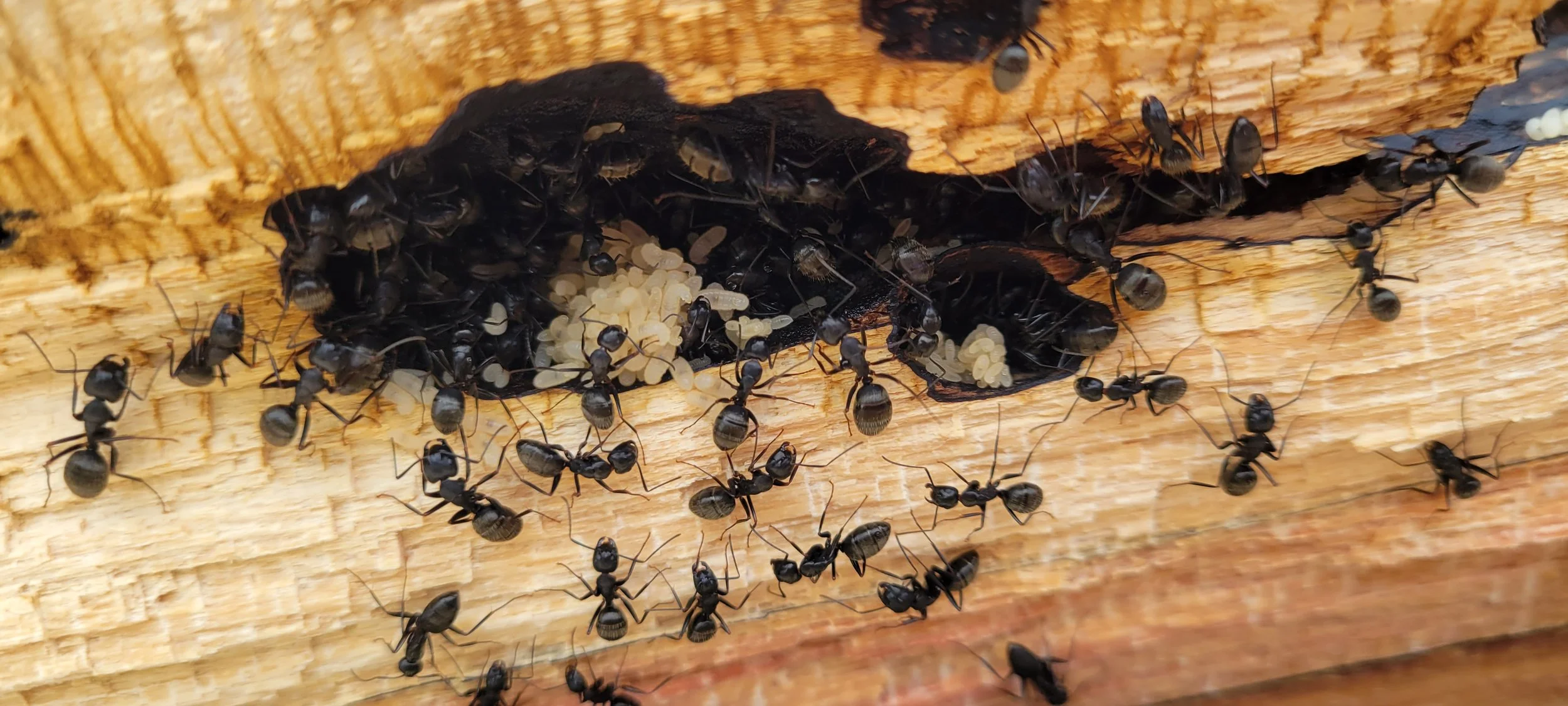
While it may seem too cold for ants, Carpenter Ants often establish nests inside the wall voids of homes in Monsey or Suffern where moisture has compromised the wood (often near leaky gutters or window frames). During a sunny February afternoon, the heat hitting a south-facing wall can trick the colony into thinking spring has arrived. You may see large, black ants wandering through your kitchen or laundry room. Unlike termites, they don't eat the wood; they excavate it to create galleries for their young, effectively hollowing out your home's support system from the inside out.
Secure Your Home Year-Round
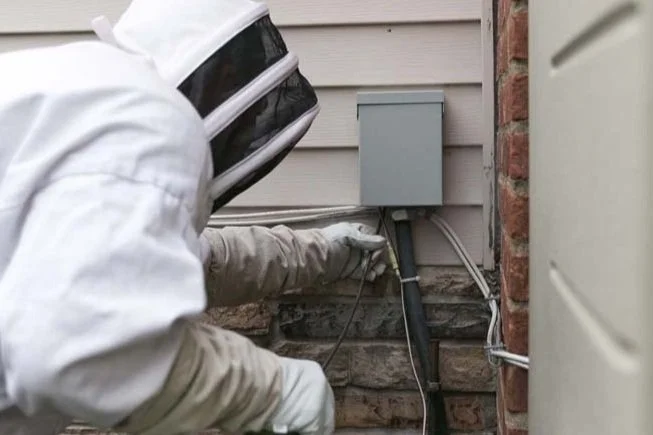
Hollenbeck Service Plans
The most effective way to handle the unique pest pressures of the Hudson Valley—from the winter beetles to the summer ticks—is through consistent, professional oversight. Our Residential Service Plans are designed to take the guesswork out of home maintenance by providing year-round vigilance.
Standard Protection: This is our most popular option for residents in Rockland and Orange County. This plan provides regularly scheduled seasonal visits to establish a protective barrier around your home, stopping pests before they ever get inside.
Enhanced Protection: For total peace of mind, our higher-tier service includes all the benefits of our standard visits plus specialized monitoring and protection against wood-destroying insects and additional seasonal invaders.
By enrolling in a service plan, you aren't just buying a treatment; you are securing a partnership. Our technicians, familiar with the common entry points in homes along Route 9 and Route 32, will perform thorough inspections every visit, catching issues like Powderpost Beetle activity long before it becomes a structural catastrophe.
Protecting Your Investment from New Paltz to Stony Point
Living in a beautiful region like the Hudson Valley means dealing with a high volume of wood-boring insects due to our humid summers and wooded landscapes. Whether you live in a historic farmhouse in Montgomery or a modern build in Hopewell Junction, your home is an investment.
Don't wait for the "silent sawdust" to appear on your basement floor. As the ground begins to thaw near I-87 and Route 9W, take the proactive step of securing a professional service plan.
Powderpost Beetles & Carpenter Ants FAQ: Frequently Asked Questions
Wood-Boring Insects FAQ: Identification & Risks
Why am I seeing sawdust in my basement?
This is likely "frass" produced by Powderpost Beetle larvae emerging or Carpenter Ants excavating wood during a seasonal shift.In the Hudson Valley, heated basements in New Paltz or Warwick can trigger activity whenever internal temperatures remain stable. The fine dust is a byproduct of their movement through your home's structural timber and is often the first sign of a hidden infestation.
What is the difference between beetle dust and ant debris?
Powderpost Beetle dust is extremely fine and talc-like, while Carpenter Ant debris is coarser and looks like wood shavings.If you find piles of shavings mixed with dead insect parts near windowsills in Poughkeepsie, you are likely dealing with Carpenter Ants. If it is fine, flour-like powder beneath joists or flooring, it is Powderpost Beetles.
Can Powderpost Beetles destroy my home's structure?
Yes, over time, their larvae can reduce structural timber to a hollow shell filled with powder.In older Hudson Valley homes in Kingston or Nyack, untreated infestations can lead to sagging floors and weakened support beams, eventually requiring expensive structural repairs to ensure the safety of the building.
Do Carpenter Ants actually eat the wood they infest?
No, Carpenter Ants do not eat wood; they hollow it out to create nesting galleries.Unlike termites which consume wood for food, Carpenter Ants in Rockland County homes cause damage by physically removing wood to expand their colony's living space, especially in wood that has been previously softened by moisture or decay.
How did these wood-boring pests get into my house?
They often enter through moisture-damaged wood or hitchhike inside new lumber and antique furniture.Many homes in Middletown or Newburgh are infested when adult beetles lay eggs in unfinished wood or when ants find a bridge from a nearby tree to a damp area of your home's siding or roofline.
Are these wood-destroying pests active year-round?
Yes, while they slow down in extreme cold, the heat inside a Hudson Valley home keeps them active throughout the year.Seasonal thaws often trigger a surge in activity as the pests respond to rising temperatures and increased moisture around the foundation, making it the perfect time for a professional inspection regardless of the month.
Service Plans FAQ: Professional Protection & Prevention
Does a Hollenbeck Service Plan cover these wood-boring pests?
Yes, our enhanced service plans are specifically designed to include protection against wood-destroying insects.This provides consistent monitoring and proactive treatments for homeowners in Orange and Ulster Counties, catching beetle and ant activity before it causes significant structural damage to your property.
Why is a service plan better than calling only when I see a pest?
A service plan focuses on prevention and early detection, which is vital for wood-destroying pests that hide deep inside timber.By the time you see sawdust in your Warwick home, the damage has already begun. A year-round plan ensures a professional is inspecting your home's "bones" regularly to stop infestations in their tracks.
How often will a technician inspect my home for these pests?
Our plans include regularly scheduled seasonal visits to ensure your home remains secure through every Hudson Valley weather shift.Technicians familiar with our local climate will look for the specific signs of seasonal pests during every visit, from winter beetles and rodents to spring ants and summer ticks.
Are the treatments for these pests safe for my family?
Yes, we prioritize Integrated Pest Management, which focuses on targeted, low-impact treatments and exclusion.We concentrate our efforts on exclusion and foundation barriers, minimizing the need for product applications in your living spaces in Monroe or Goshen while still achieving total control of the infestation.
Can a service plan help with moisture issues that attract ants?
Yes, part of our professional inspection involves identifying conducive conditions like moisture and wood-to-ground contact.Addressing these environmental factors in your Suffern or Stony Point home is a key part of our strategy to prevent Carpenter Ant infestations and other moisture-loving pests from establishing themselves.
What if I find new signs of wood pests between my scheduled visits?
Our service plans include a guarantee that covers additional service calls at no extra cost to you.If you see new signs of activity in your Poughkeepsie home, our team will return promptly to assess and treat the area. Your partnership with Hollenbeck means your home is protected every day of the year.






For homeowners, September marks the beginning of peak wildlife invasion season. Bats, chipmunks, and squirrels begin actively scouting home perimeters…